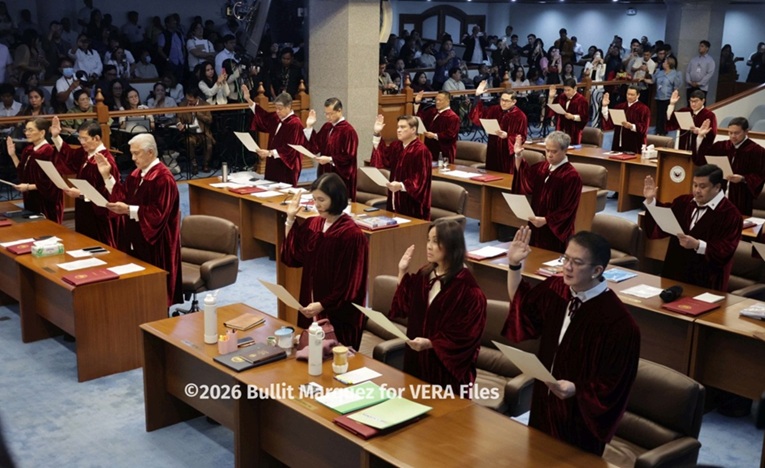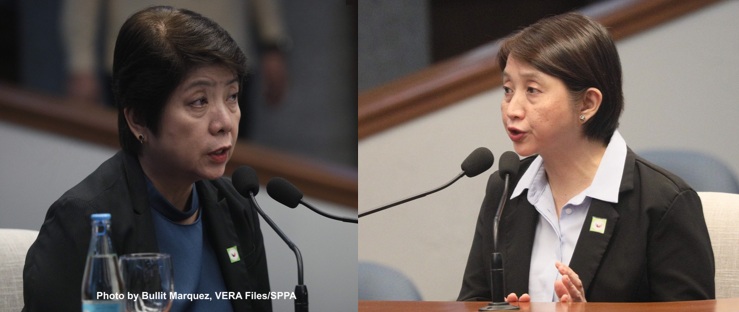
The ninth week of Vice President Sara Duterte’s impeachment trial ended with an important question still hanging over the prosecution’s case: Where did the P15.54 million in the Department of Education’s confidential funds go, and who is responsible for claiming that the money paid for activities that the Philippine Army said it funded itself?
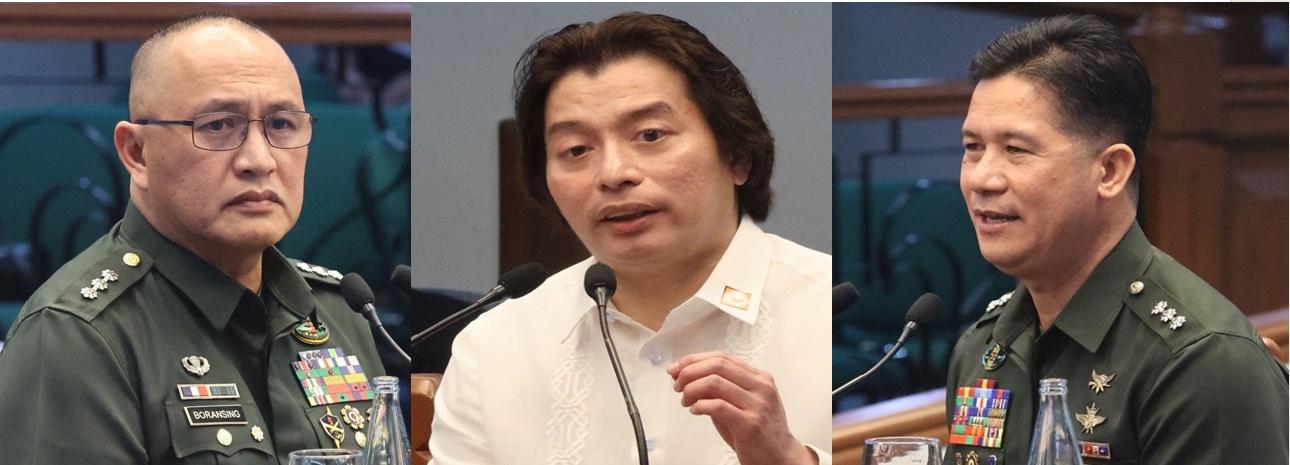
The question came into sharper focus after two Army colonels testified Tuesday that their units received no money from DepEd, the Office of the Vice President or the Vice Presidential Security and Protection Group for anti-insurgency programs that DepEd later cited to support its confidential fund spending.
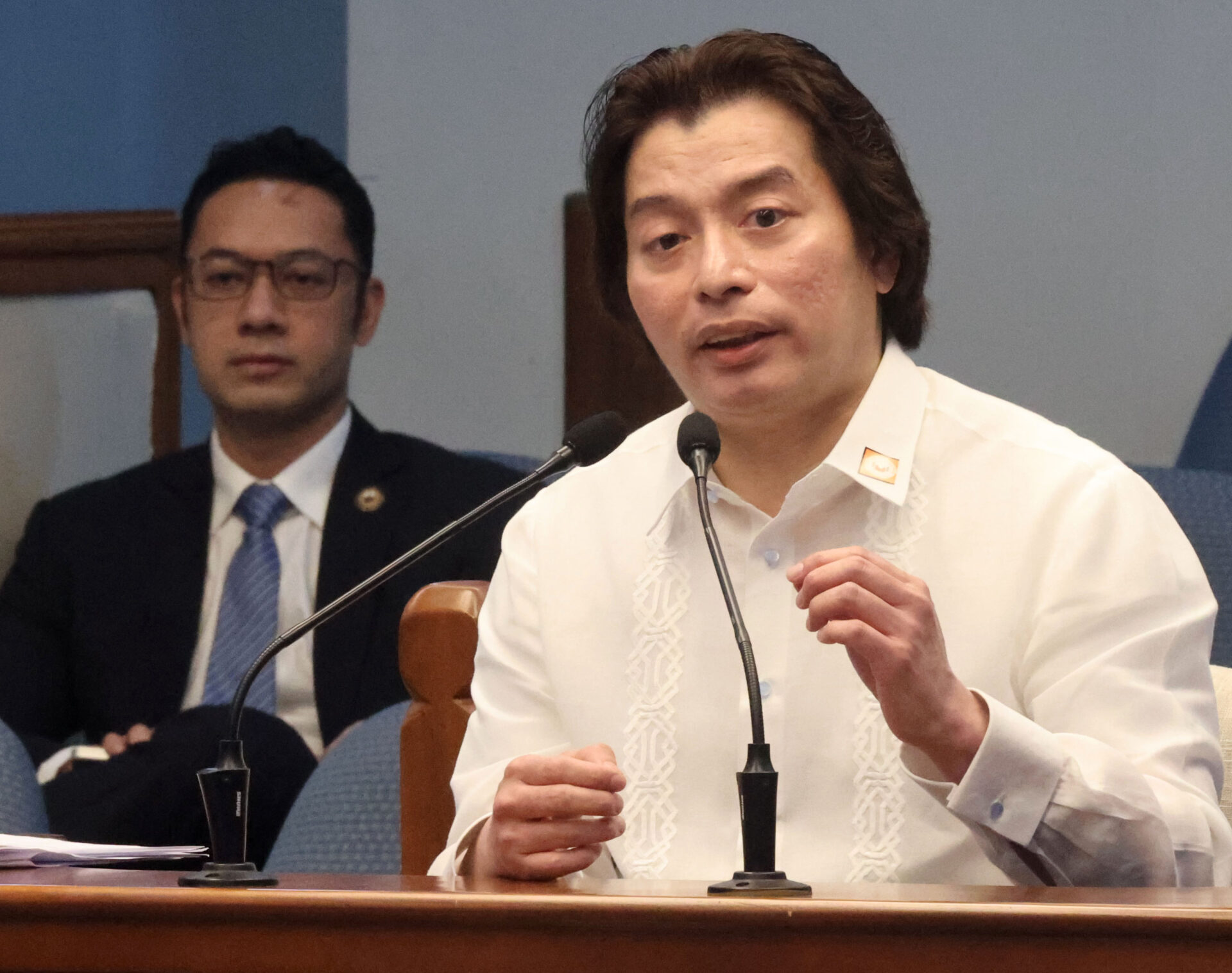
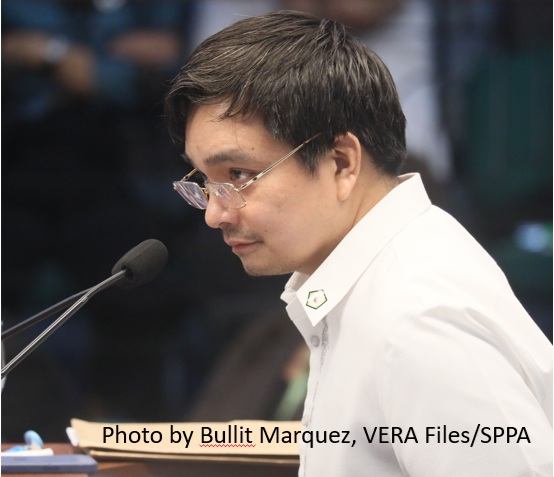
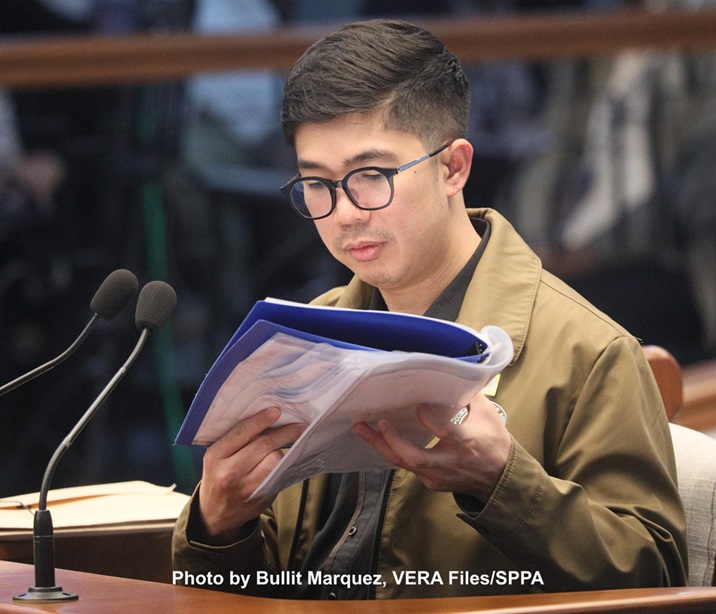
The issue was further complicated Wednesday with the testimony of Michael Poa, a former DepEd chief of staff and undersecretary for finance who now serves on Duterte’s defense team. Poa acknowledged that he could also face accountability if Duterte is found liable for the alleged misuse of confidential funds.
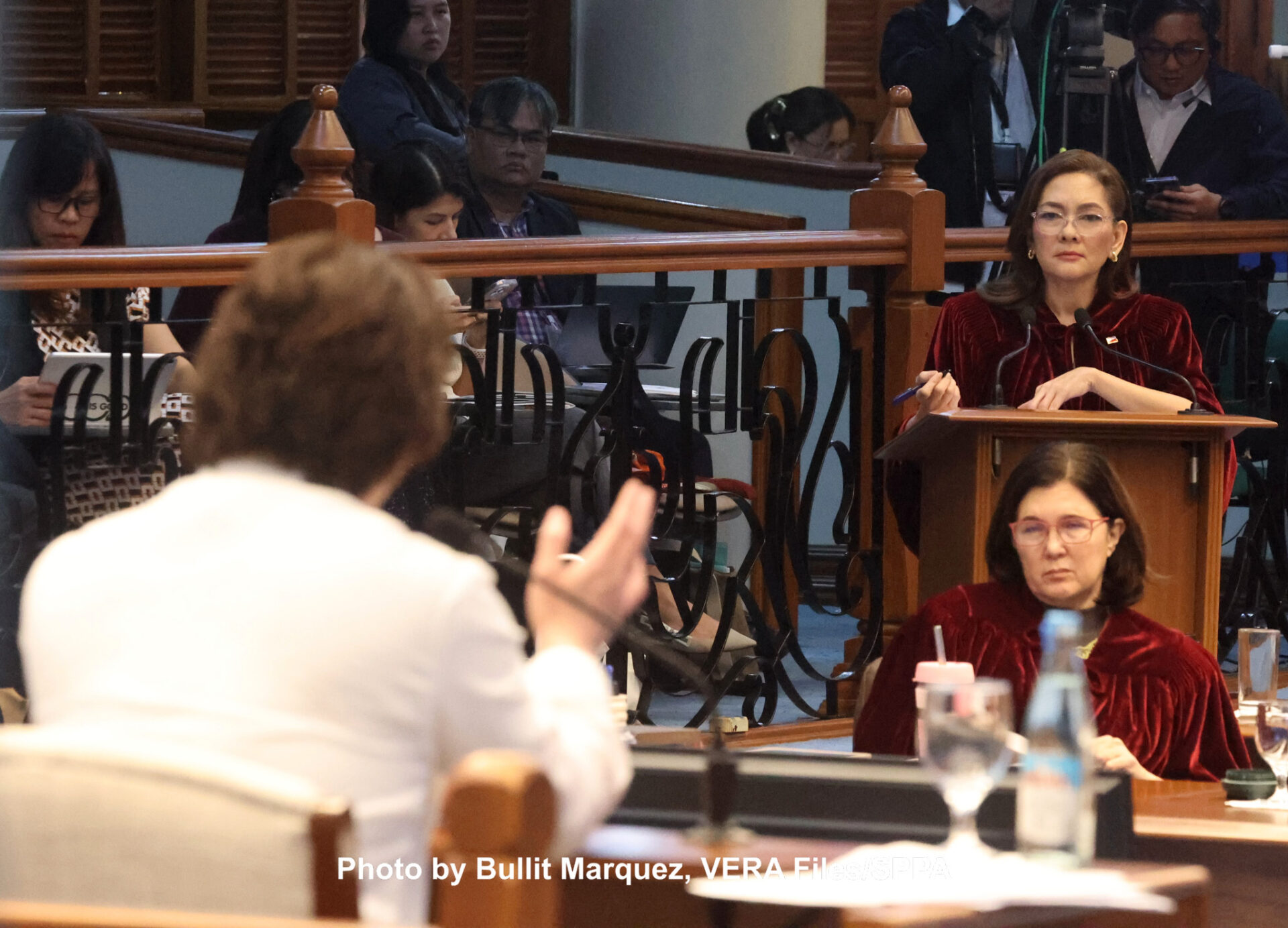
“It’s possible. I hope not, but possible,” Poa told Senator-judge Risa Hontiveros when asked if he could also be among those held responsible.
The two days of testimony brought the Senate impeachment court closer to the core of Article I: whether confidential funds were actually used for the activities claimed by DepEd, and whether the documents submitted to the Commission on Audit accurately showed how the money was spent.
Army got no money
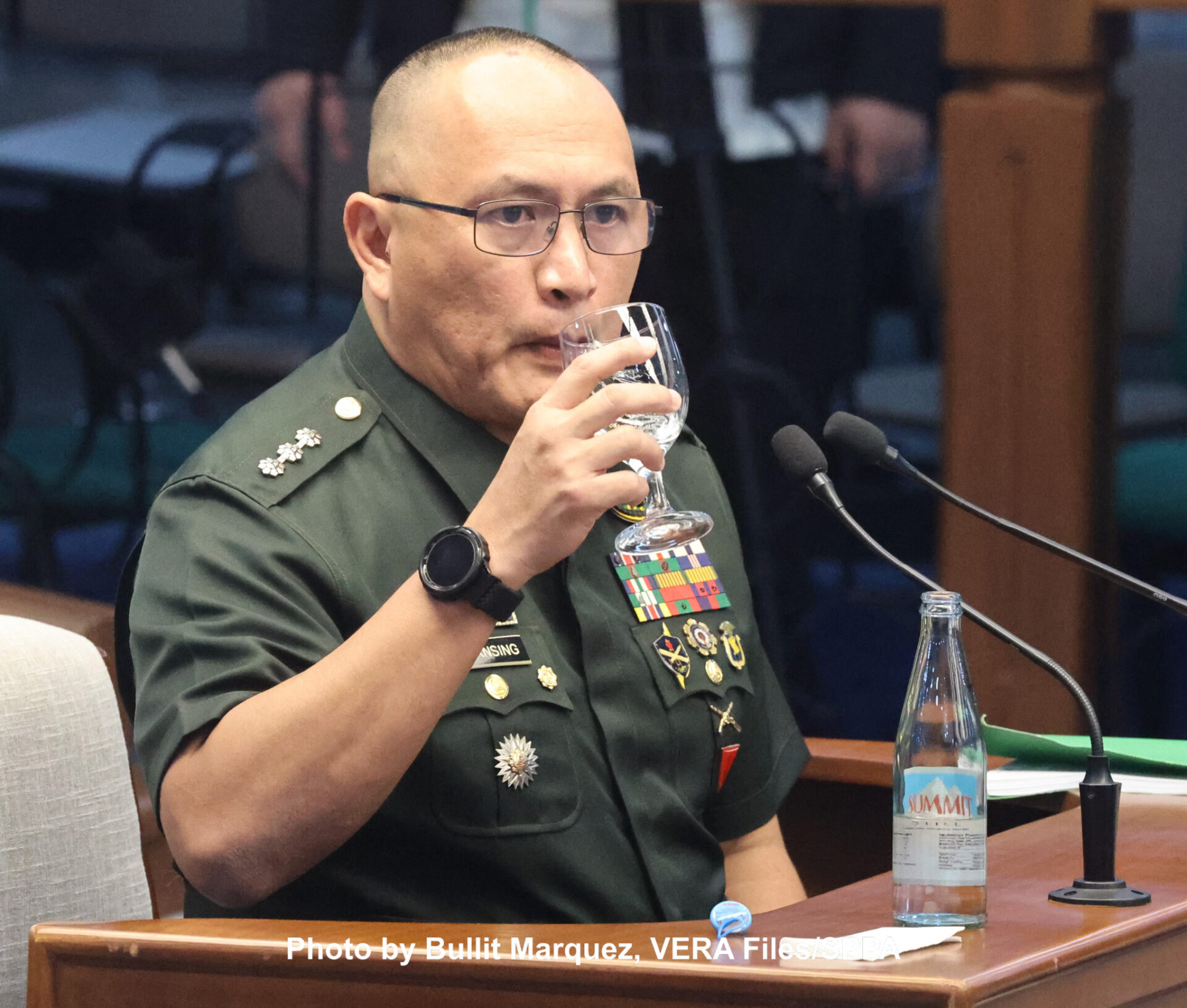
Col. Manaros Boransing II, a former assistant chief of staff for civil-military operations of the Army’s 1st Infantry “Tabak” Division, testified that his unit conducted eight Youth Leadership Summits and Information Education Campaigns in 2023.
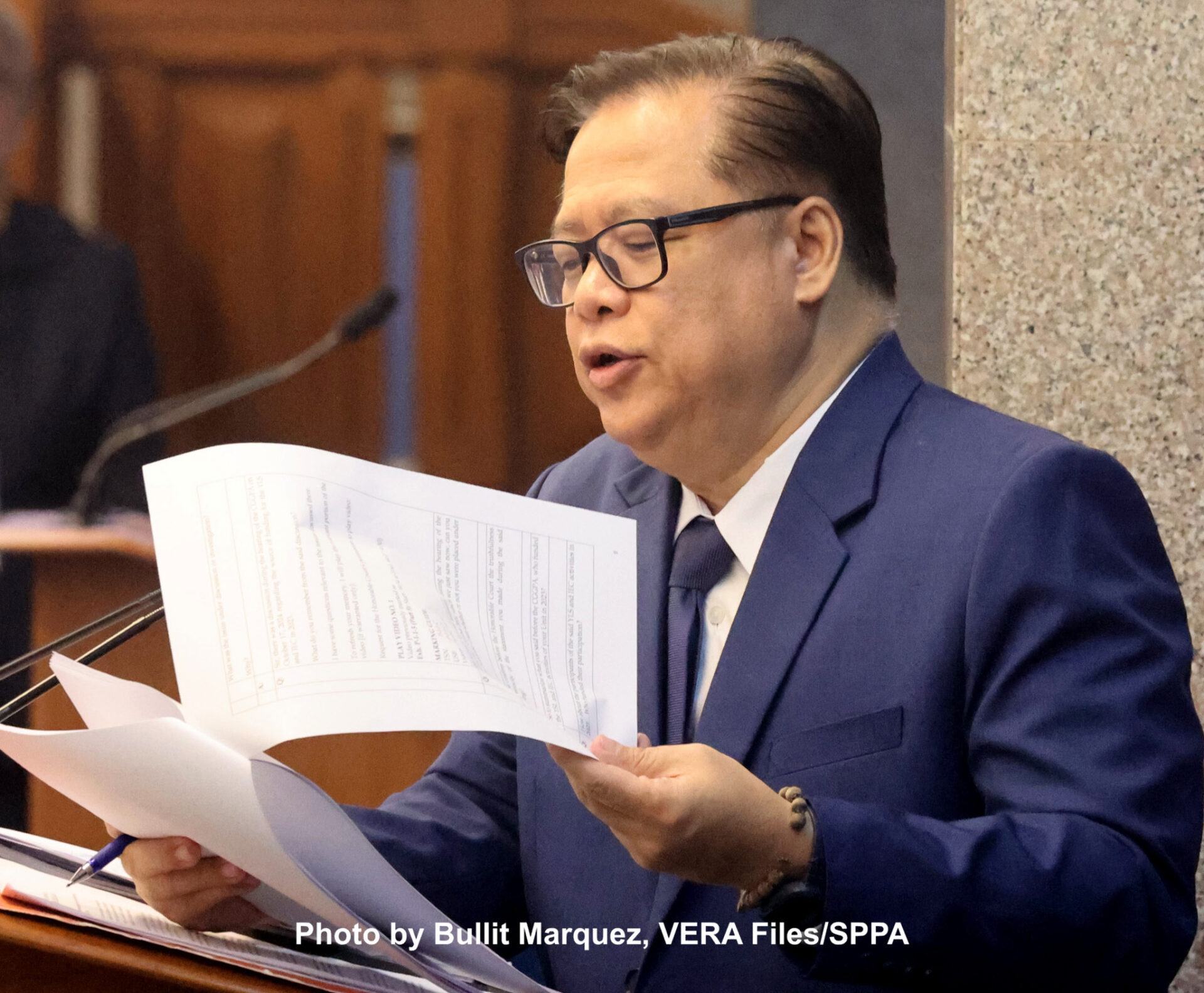
YLS and IEC were Army-led initiatives intended partly to prevent young people from being recruited by violent extremist groups, Boransing said.
The Army unit paid for the activities using its own allocations of P30,000 to P60,000 each, he said upon questioning by Senator-judge Bam Aquino.
“There was no funding released to the 1st Infantry Division from DepEd, Sir, of any source,” Boransing said under questioning by private prosecutor Reynaldo Robles.
He also told the court the OVP and VPSPG did not provide confidential funds for the activities.
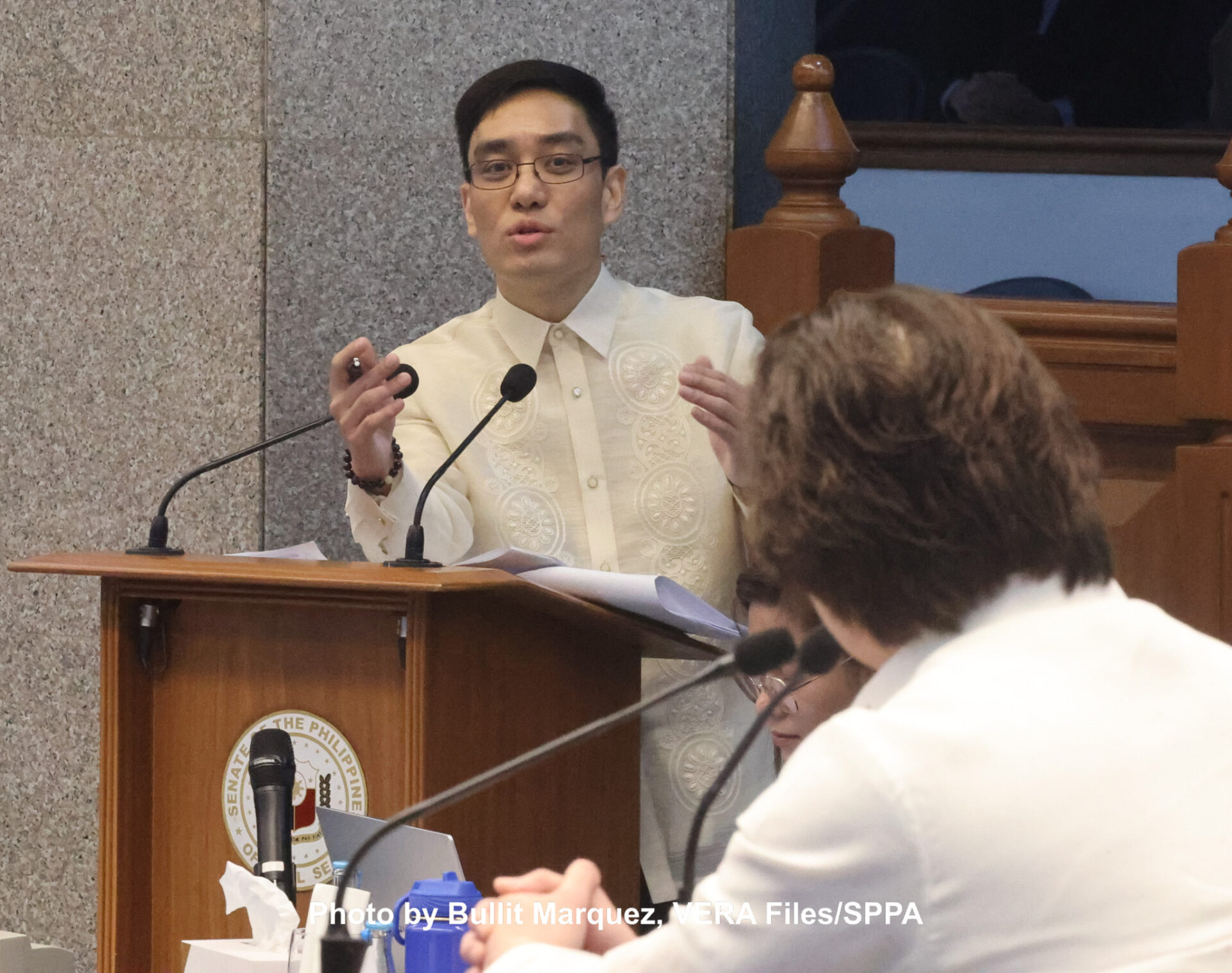
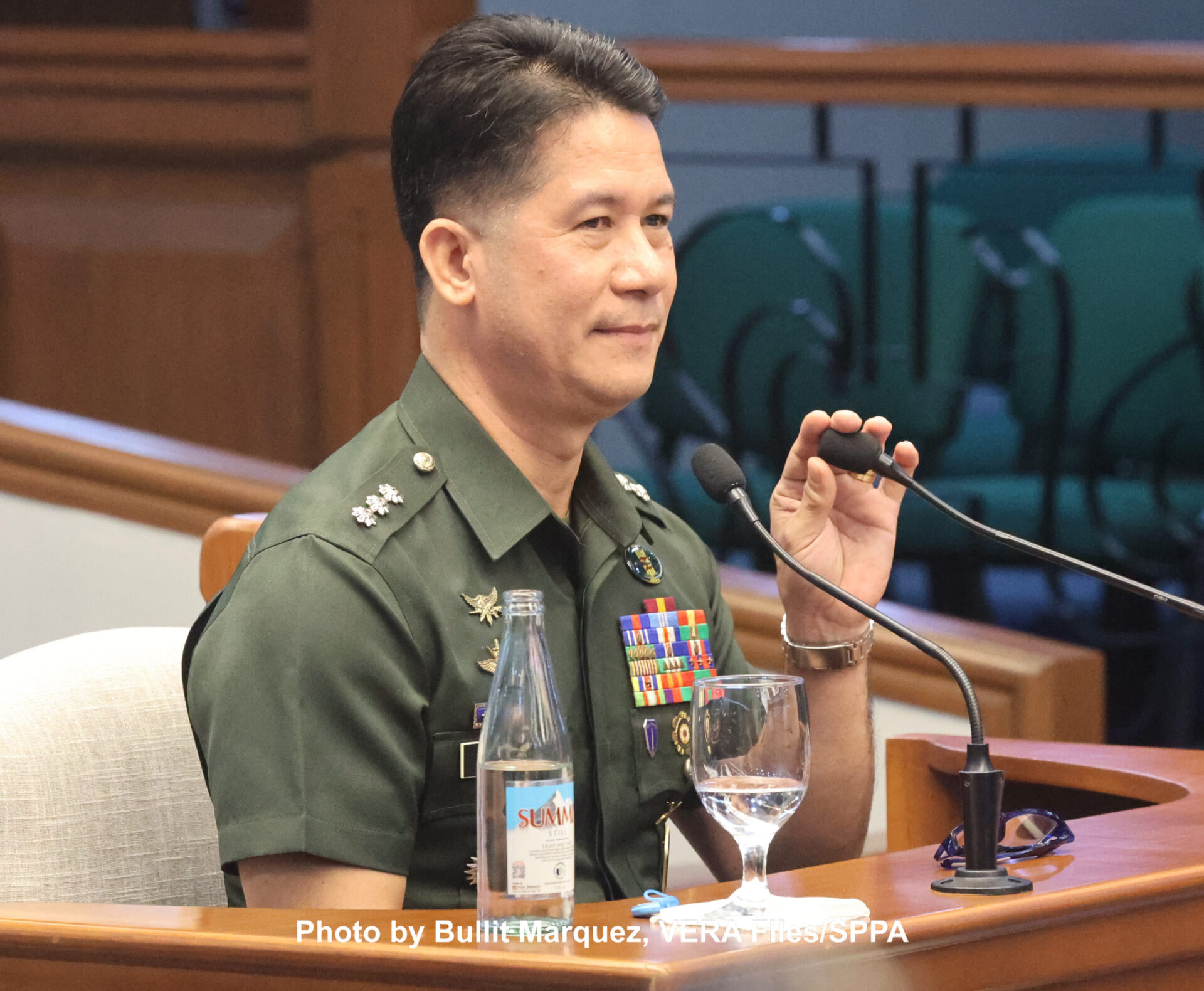
Col. Magtangol Panopio, another Army officer involved in the programs, gave a similar account.
“We did not certify anything about money or funds,” he said.
“Wala pong pinapatunayan [ang certification] sa paggastos ng DepEd [ng confidential fund]. It is only stating that we conducted the YLS in our area of operation,” Panopio added.
Both officers said they issued certifications confirming that the activities took place and that DepEd and other government agencies participated.
But neither certification stated that DepEd spent money on the activities.
Boransing said his certification did not indicate any amount spent by DepEd and did not attest to any confidential fund expenditure.
The prosecution alleges that the Army certifications were used to support DepEd’s liquidation of P15.54 million in confidential fund rewards.
But both officers said they did not know their certifications would later be used for that purpose.
What did the certifications prove?
The Army officers confirmed that the activities took place. They did not confirm that DepEd confidential funds paid for them.
Boransing also said his unit did not conduct intelligence gathering during the activities. Intelligence information was used mainly to ensure participants’ safety and identify suitable venues, while AFP intelligence units handled actual intelligence work.
The testimony echoed statements made during a 2024 House inquiry into Duterte’s confidential funds, portions of which were presented to the impeachment court.
Army and local government officials had told lawmakers that they shouldered the costs of the activities.
The issue returned to the Senate trial as prosecutors sought to show that the certifications used by DepEd did not establish that confidential funds had financed the programs.
The prosecution must still connect the documents to the money itself—who controlled the funds, who received them, how they were used and whether the documents submitted to COA accurately described the transactions.
Poa’s role comes under scrutiny
Poa’s testimony Wednesday brought that question closer to the DepEd officials who handled the documents.
As a former DepEd undersecretary for finance, chief of staff and spokesperson, Poa prepared the department’s response to a COA audit observation memorandum questioning P112.5 million in confidential expenditures, including the P15.54 million attributed to Army-led activities.
But Poa repeatedly said he had no personal knowledge of how the money was actually used.
He said he became involved after receiving the COA memorandum and asking for accomplishment reports and other documents showing that activities supposedly supported by confidential fund rewards had taken place.
The documents eventually given to him were certifications from AFP officers, including Boransing and Panopio.
“Unfortunately, all that really came to me was this certification. So, that’s all I attached to our response to COA,” Poa said.
His testimony added weight to the Army officers’ statements the previous day: The certifications confirmed that the activities happened, but the officers said they never certified that confidential funds had paid for them.
‘Abogadong walang alam’
Poa’s testimony also triggered one of the week’s sharpest exchanges in court.
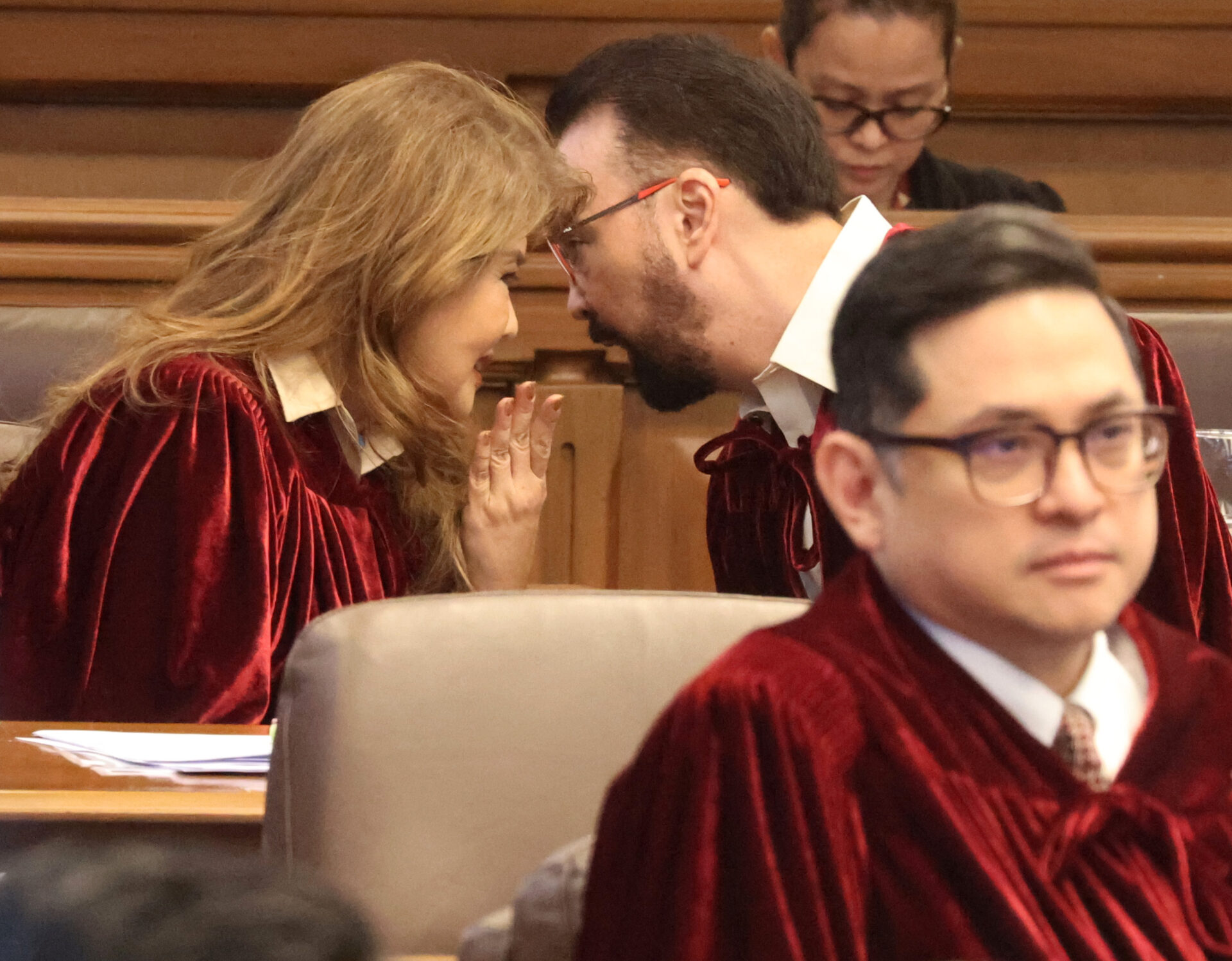
Private prosecutor Benjamin “Jay” Tolosa Jr., while presenting the prosecution’s offer of Poa’s testimony, referred to him as an “abogadong walang alam.”
Defense counsel Sheila Sison vehemently objected, calling the remark insulting and unnecessary.
Tolosa apologized and said he was referring to Poa’s statements during the 2024 congressional hearings that he had no personal knowledge of the liquidation or actual use of the confidential funds.
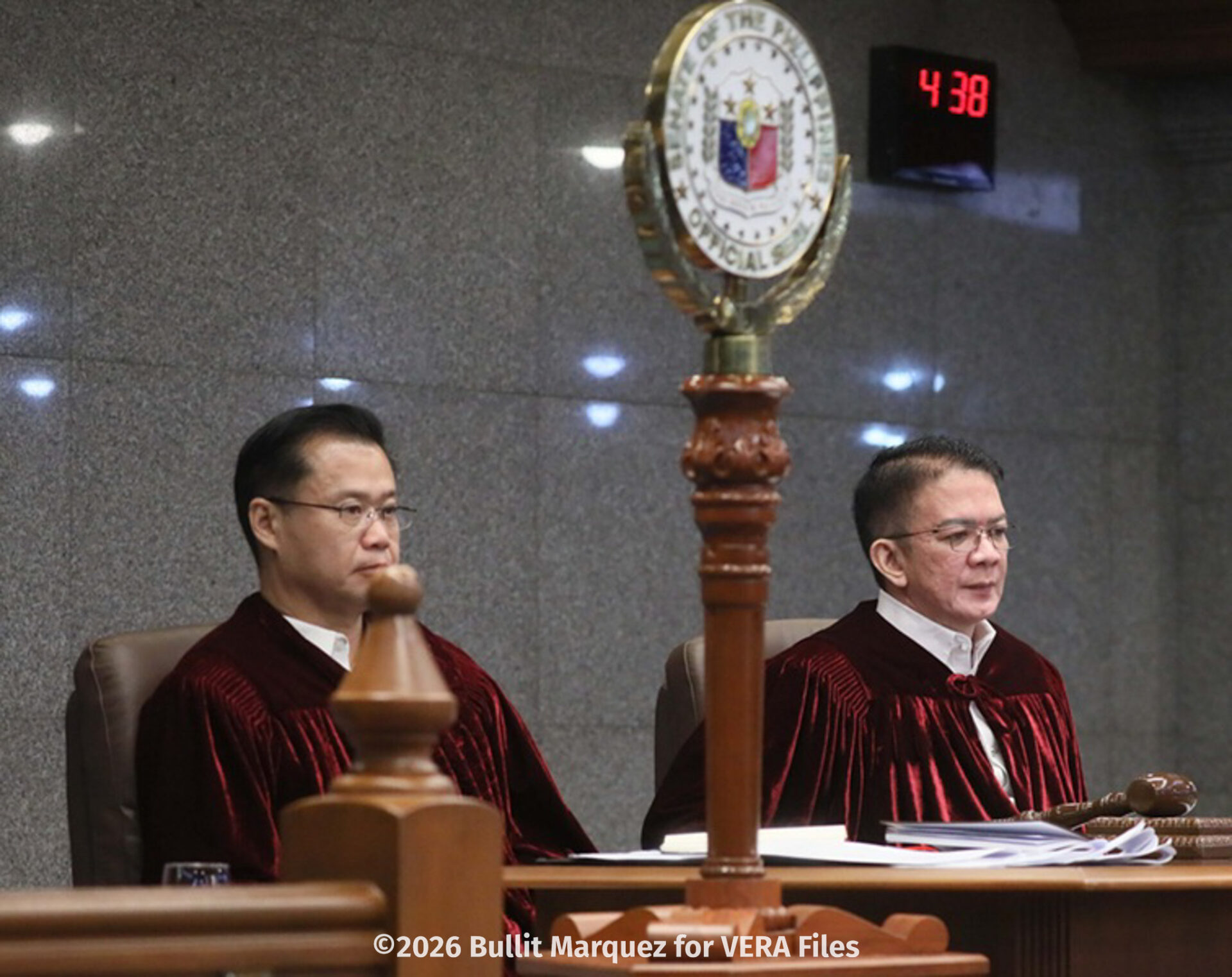
Presiding officer Chiz Escudero ordered the phrase stricken from the record, calling it discourteous.
Escudero also questioned why the prosecution was presenting Poa as a hostile witness while describing him as someone who knew nothing about the transactions.
“That’s precisely the reason why we want him to testify,” Tolosa replied.
The prosecution sought to establish why Duterte had tasked a trusted aide with responding to COA findings despite Poa’s admission that he knew little about the transactions.
The exchange highlighted Poa’s unusual position in the trial: He is a former Duterte official and current defense lawyer whose testimony is being used to examine the processes he once helped defend.
Poa qualifies earlier account
Poa also qualified some of his earlier explanations before the House in 2024.
He acknowledged that his previous account that confidential fund rewards were based on information from informants was only his “impression” and “theory.”
Senate President Sherwin Gatchalian pressed him on how DepEd could establish that information allegedly bought from informants had led to successful operations.
Poa said information purchased from an informant did not necessarily result in an immediately successful operation.
He also said he first learned during the 2024 congressional inquiry about unusual names appearing in acknowledgment receipts used to support confidential fund payments.
One of those names was “Mary Grace Piattos,” which became a focus of the House investigation.
Poa also said he first learned during the inquiry that confidential funds had allegedly been transferred to a security officer.
He said he was unaware of the alleged transfer when he prepared DepEd’s response to COA.
The burden remains
The week ended with the prosecution facing a key evidentiary hurdle.
The Army officers confirmed that the programs took place but said their units received no money from DepEd or the OVP for them.
Poa confirmed that Army certifications were attached to DepEd’s response to COA but said he had no operational knowledge of the confidential funds and did not know the certifications would be used to support their liquidation.
The testimony does not by itself establish whether the P15.54 million was improperly spent.
It does, however, raise a central question: Do the documents presented as proof of the expenditures actually show that the money was spent on the activities?
Escudero underscored the point Wednesday when he reminded the senator-judges that the burden of proof remains with the prosecution.
“The burden of proof never shifts,” he said.
As the trial enters its 10th week, prosecutors must now move beyond proving that the activities happened and establish a clear link between the confidential funds, their recipients and their alleged use.