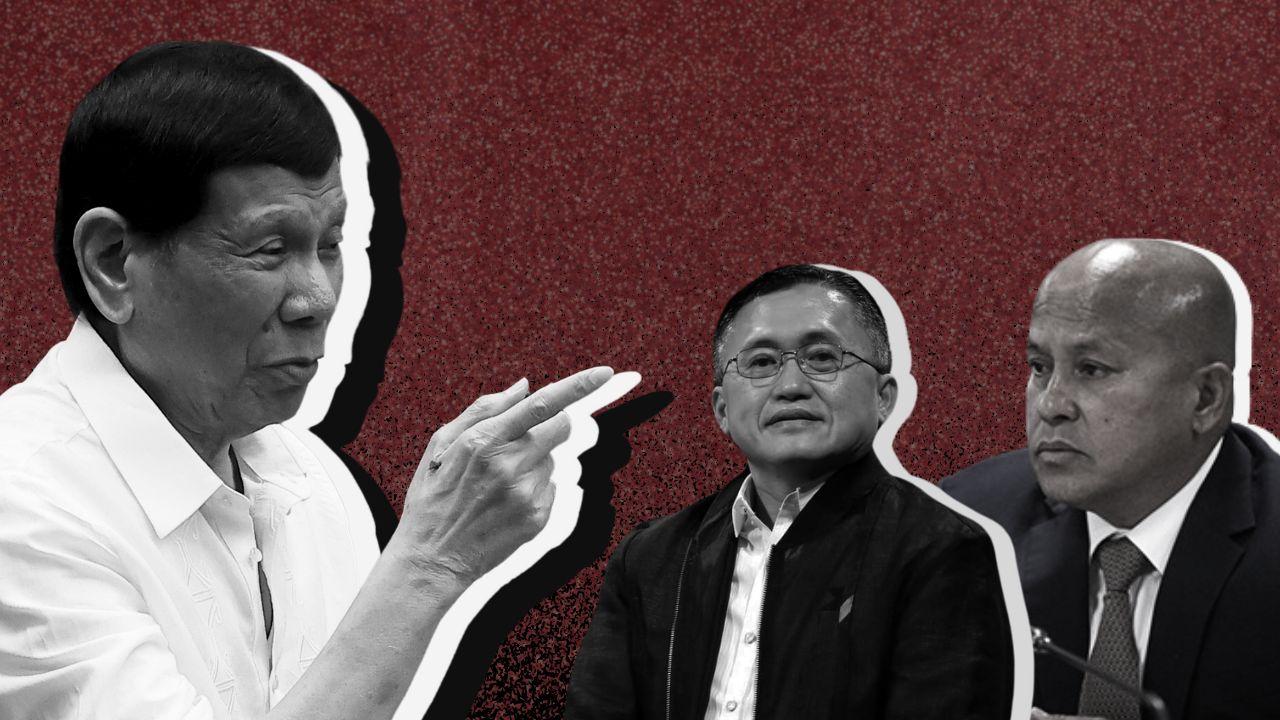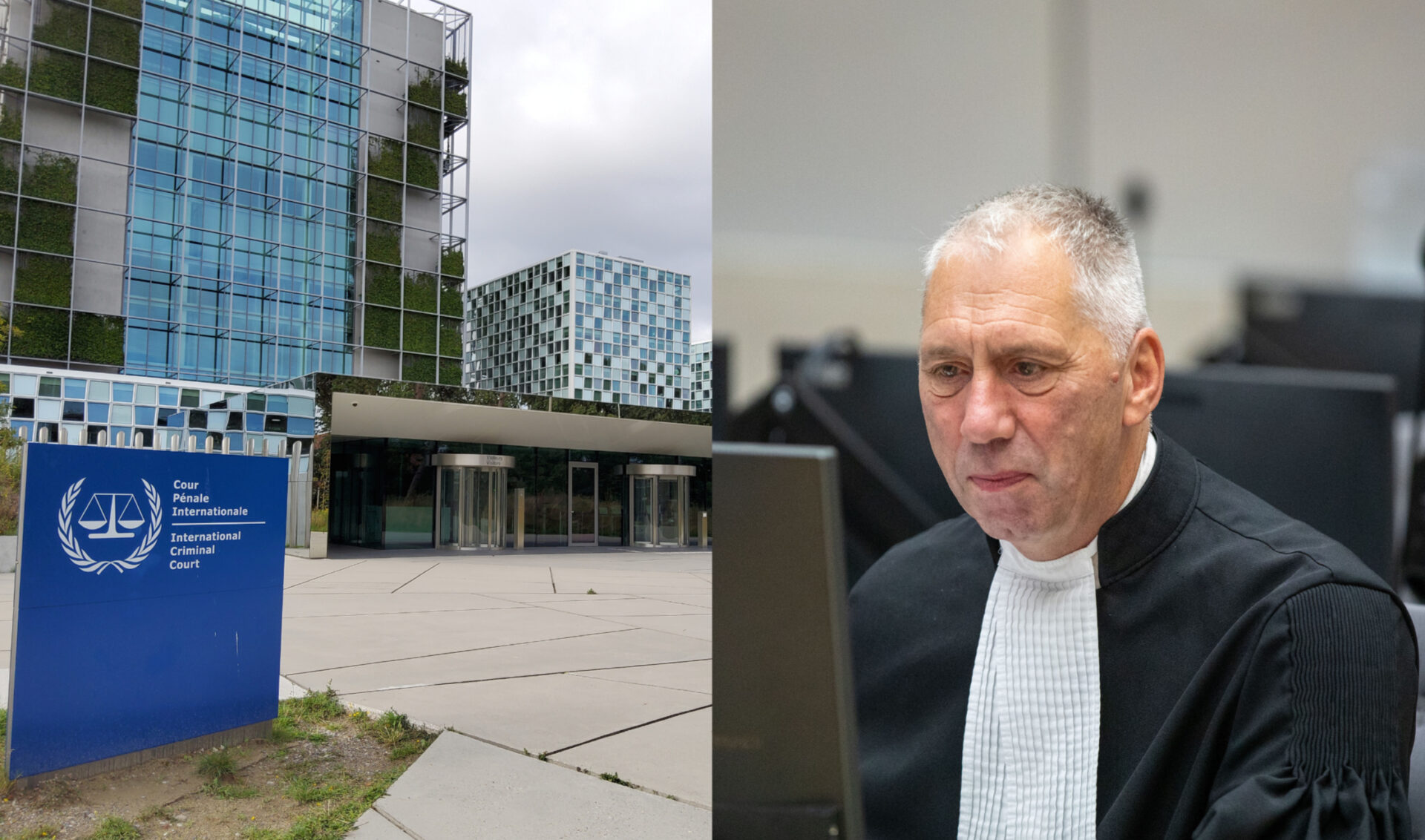
Former president Rodrigo Duterte’s defense team has asked the International Criminal Court to strengthen its verification requirements for digital evidence submitted by the prosecution ahead of his trial for crimes against humanity starting Nov. 30.
In a Sept. 3 document filed with the ICC Trial Chamber III, Duterte’s lead counsel, Peter Haynes, sought to amend the E-Court Protocol to include an “expert verification” field for open source and user-generated evidence.
Haynes argued that merely providing a uniform resource locator or URL, which specifies the location of a material online, is insufficient to establish its authenticity or reliability.
“It further says nothing of: the discovery process, which is vital to confirm its chain of custody; whether an item has been edited in any way; whether the content featured at that URL has been independently verified; whether AI tools were used to filter the evidence, and whether there are any other indicia of authenticity and reliability,” the document read.
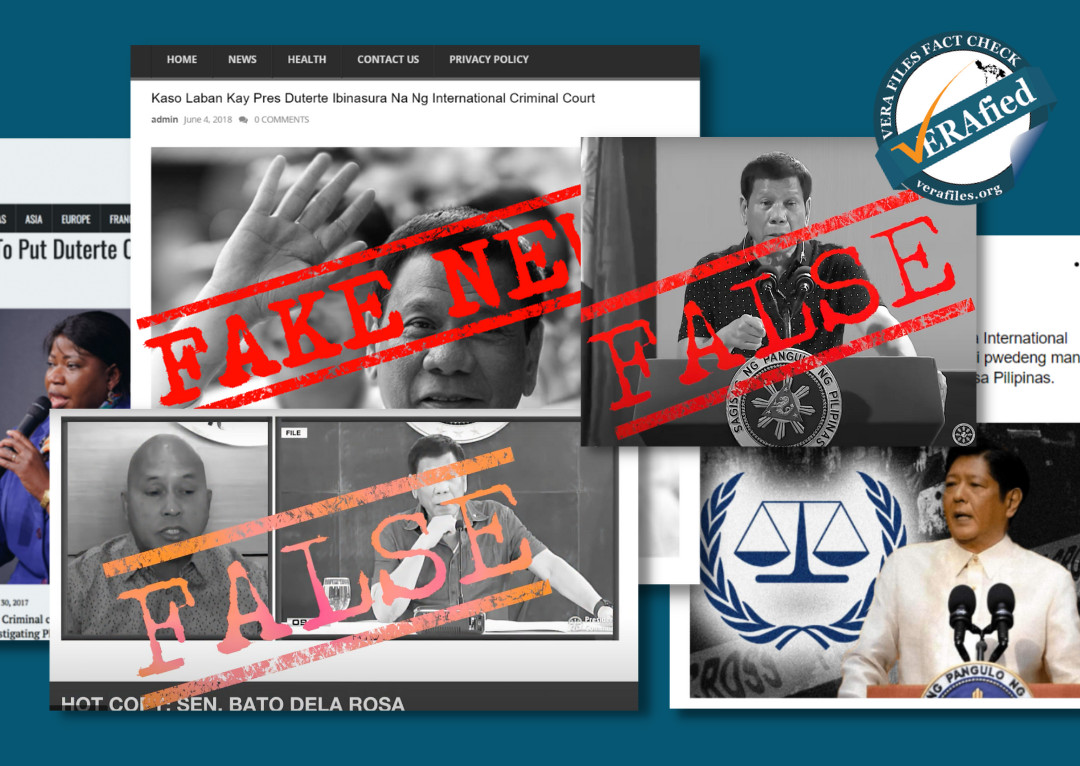
Citing the spread of misinformation surrounding Duterte’s case, the defense team also raised concerns over the lack of identity check in the Office of the Prosecutor’s “OTPLink” system, which allows anyone to submit evidence directly to the prosecution.
“There is also the obvious danger that nefarious actors will use the system to transmit falsified, manipulated, or forged evidence, which might also be circulated online; a risk identified by the Office of the Prosecutor itself,” it said.
As a remedy, the defense proposed adding the expert verification field indicating whether the evidence submitted to the court would be accompanied by an expert report.
The report, it said, should identify the source of the material, establish its chain custody, state whether it is original or a copy, and provide its metadata and other technical details. It should also detail the steps taken to verify the material and determine whether it has been edited or manipulated.
The report should likewise include the verifier’s qualifications and experience as well as the methodology used to authenticate the material, the defense said.
“Without this information, it would be very difficult for the chamber to come to a view on the evidence’s relevance and admissibility, pursuant to Article 69(4) of the Statute,” the defense said.
Duterte’s trial is scheduled to begin on Nov. 30 over alleged crimes against humanity stemming from his anti-illegal drugs campaign when he was Philippine president and mayor of Davao City.