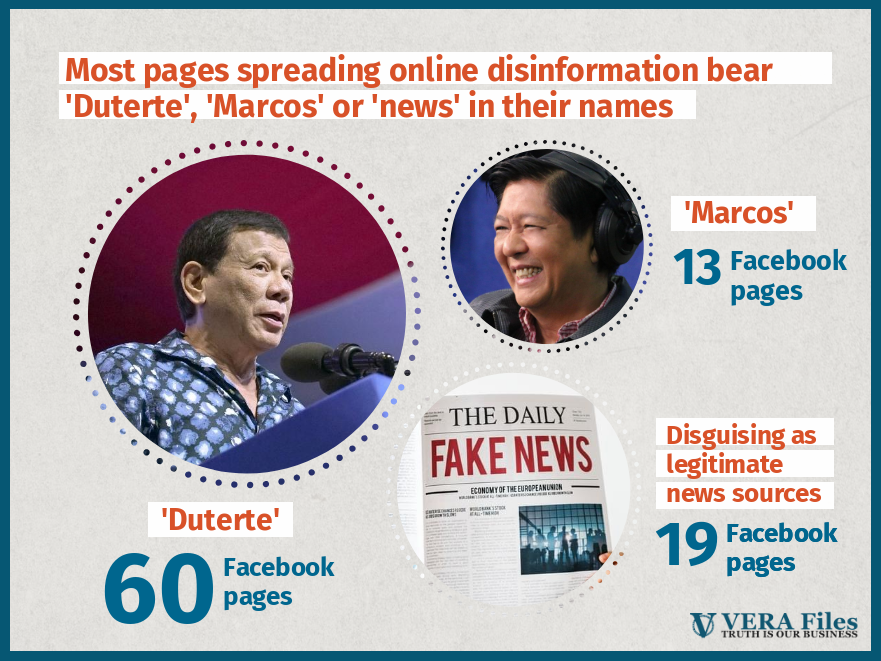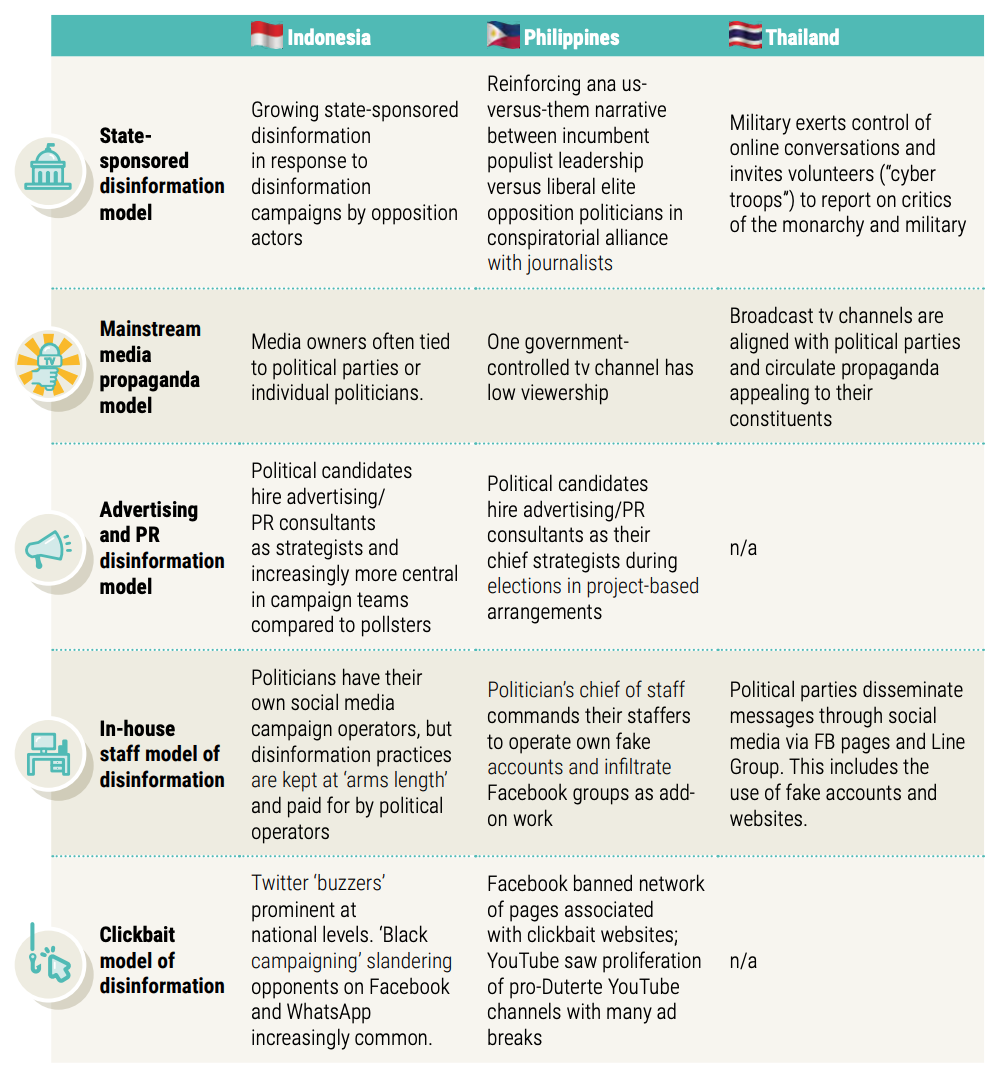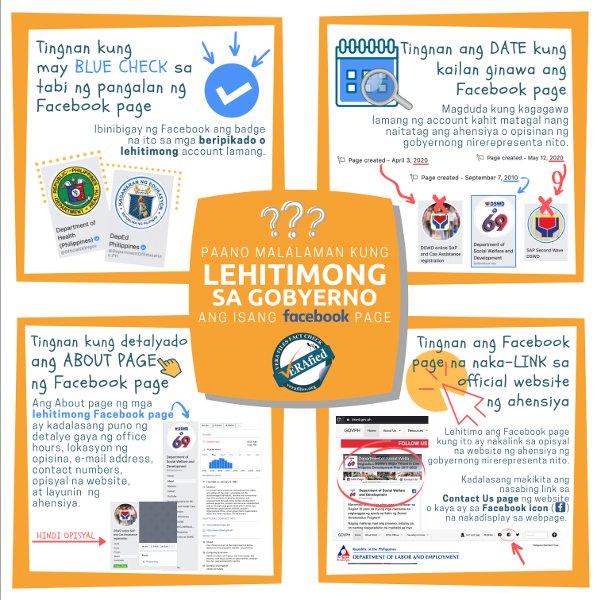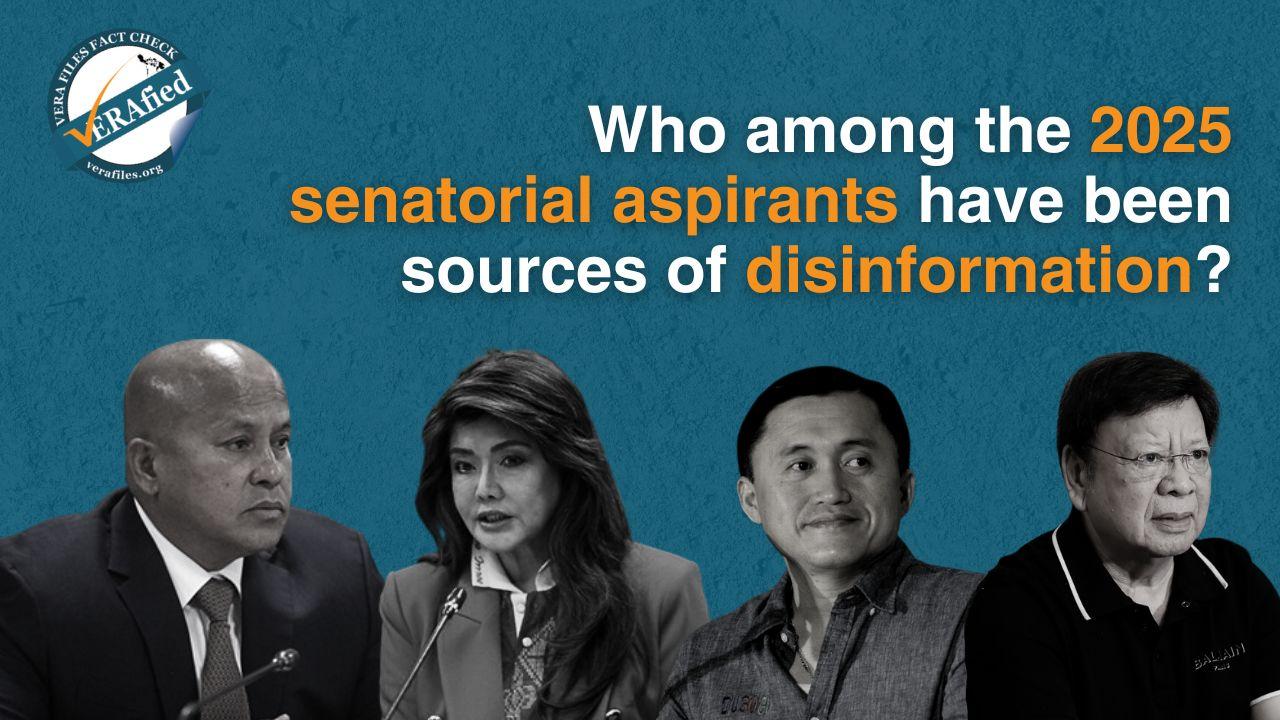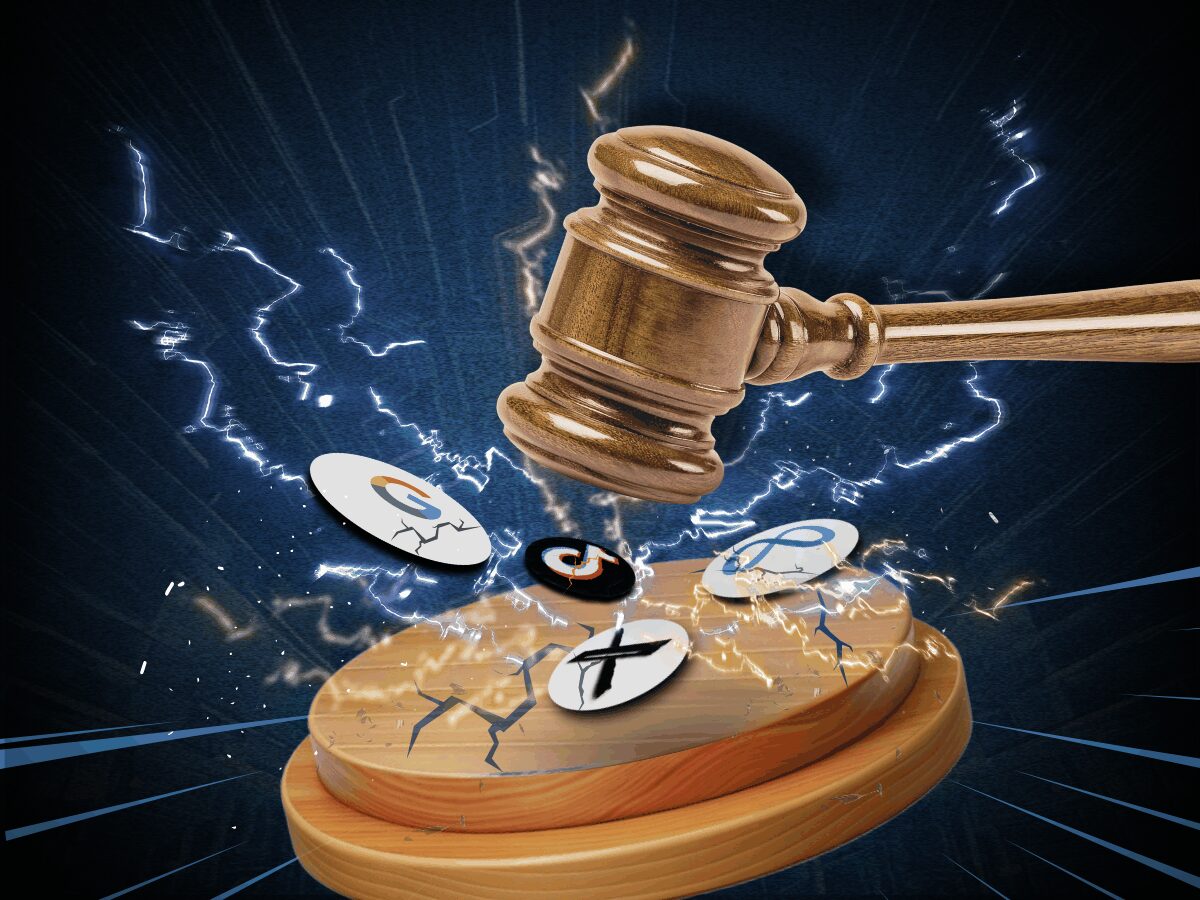
In the uphill climb to fight disinformation, big technology companies must be regulated to help protect the public who end up consuming and sharing massive amounts of information, many bordering on toxic.
In a special episode of VERA Files’ What The F!? Podcast, political scientist and WR-Numero President Cleve Arguelles lamented that these multi-million dollar companies make money off the sea of disinformation the public is drowning in, but are not held accountable.
“This is a business that needs to be subjected to the power of the people to decide, which is through government,” he said during the podcast on political disinformation in 2025. He stressed that this is a business for these companies, but “there is no such thing as unregulated business.”
While the media, civil society and the citizenry have been doing their share in the struggle against the disinformation crisis, Arguelles said social media platforms, backed by big technology companies, have increasingly been withdrawing global efforts to accept accountability for spreading false information in their networks.
“I think the focus should also be on them. It’s not only that false news is thriving, it’s also killing yung legitimate journalism outlets (since) they’re making it harder for them (news outfits) to survive because they’re also a business,” Arguelles pointed out.
According to a 2023 survey of Nielsen Media Research, social media has become the preferred source of news and information, edging out print media, even radio and television. The results show that 72.48% of Filipinos (116.5 million population) were active social media users. They turn to social media platforms mainly to read news stories (47.3%) and find content (44.9%).
Most traditional media have migrated online, or cross platforms to have online presence and to broaden their audience reach.
The danger in this scenario where anyone can post content, whether fact or fiction, is the resulting inability to hold the sources of misinformation or disinformation responsible, including the platform that enabled the spread of lies or half-truths.
Ultimately, it is the people who lose out because in the long run there will be a dearth of true and factual information, Arguelles warned.
The WR-Numero CEO thinks it is high time to push for legal consequences for people behind these disinformation machinery and networks.
“We must also find a way to have them face the law,” he urged.
Watch the full episode here:
Vera.ph/PoliticalDisinformation
Or here: VERA on FB