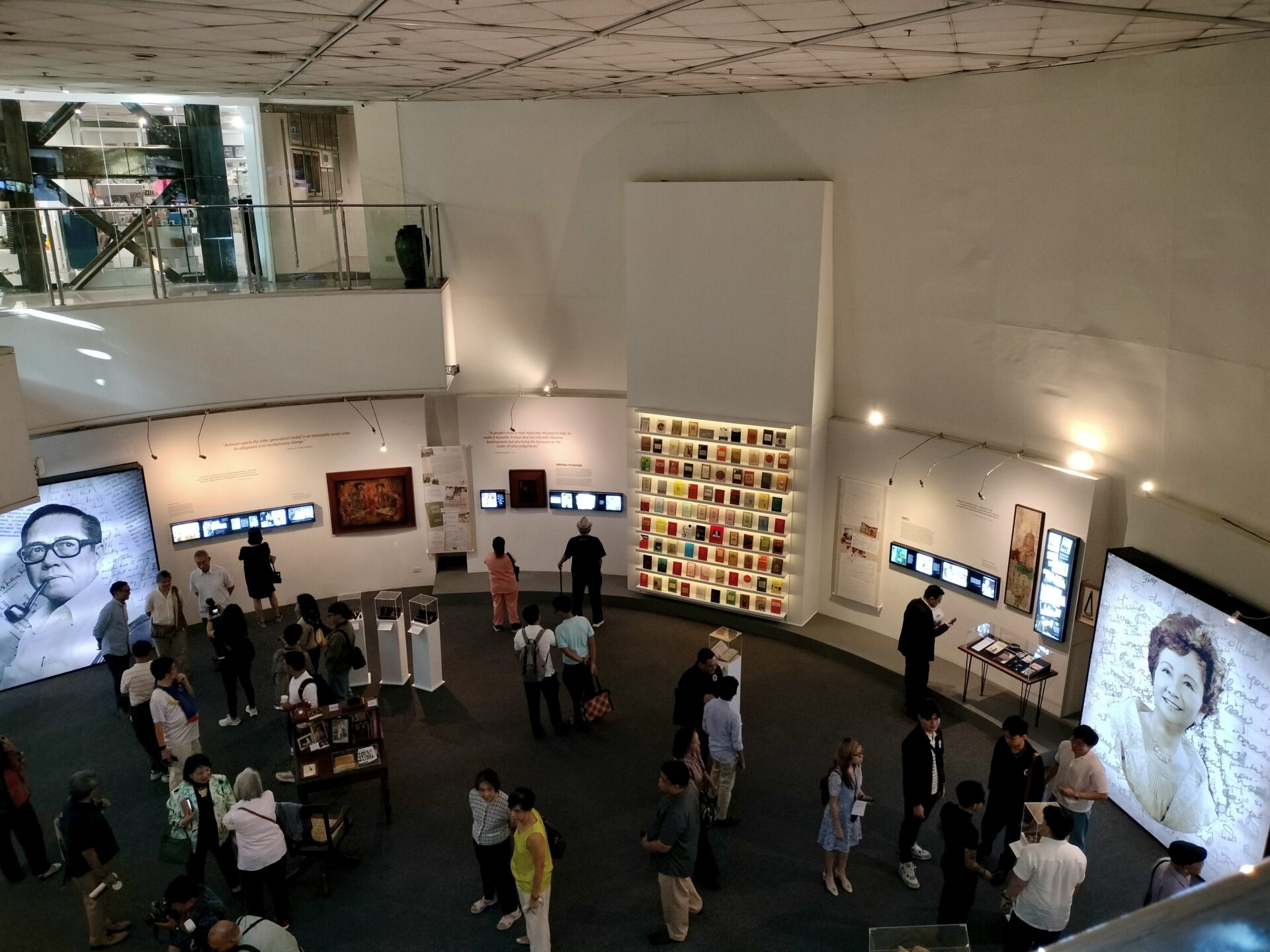
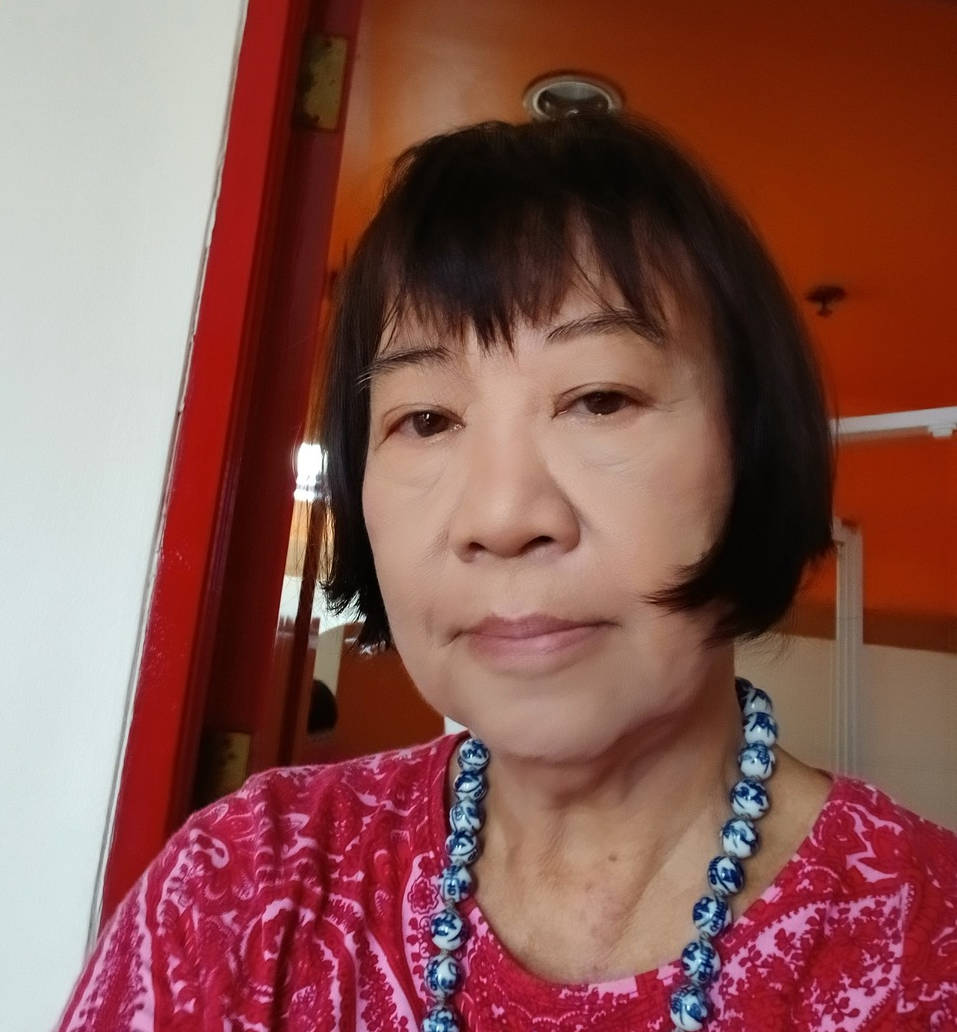
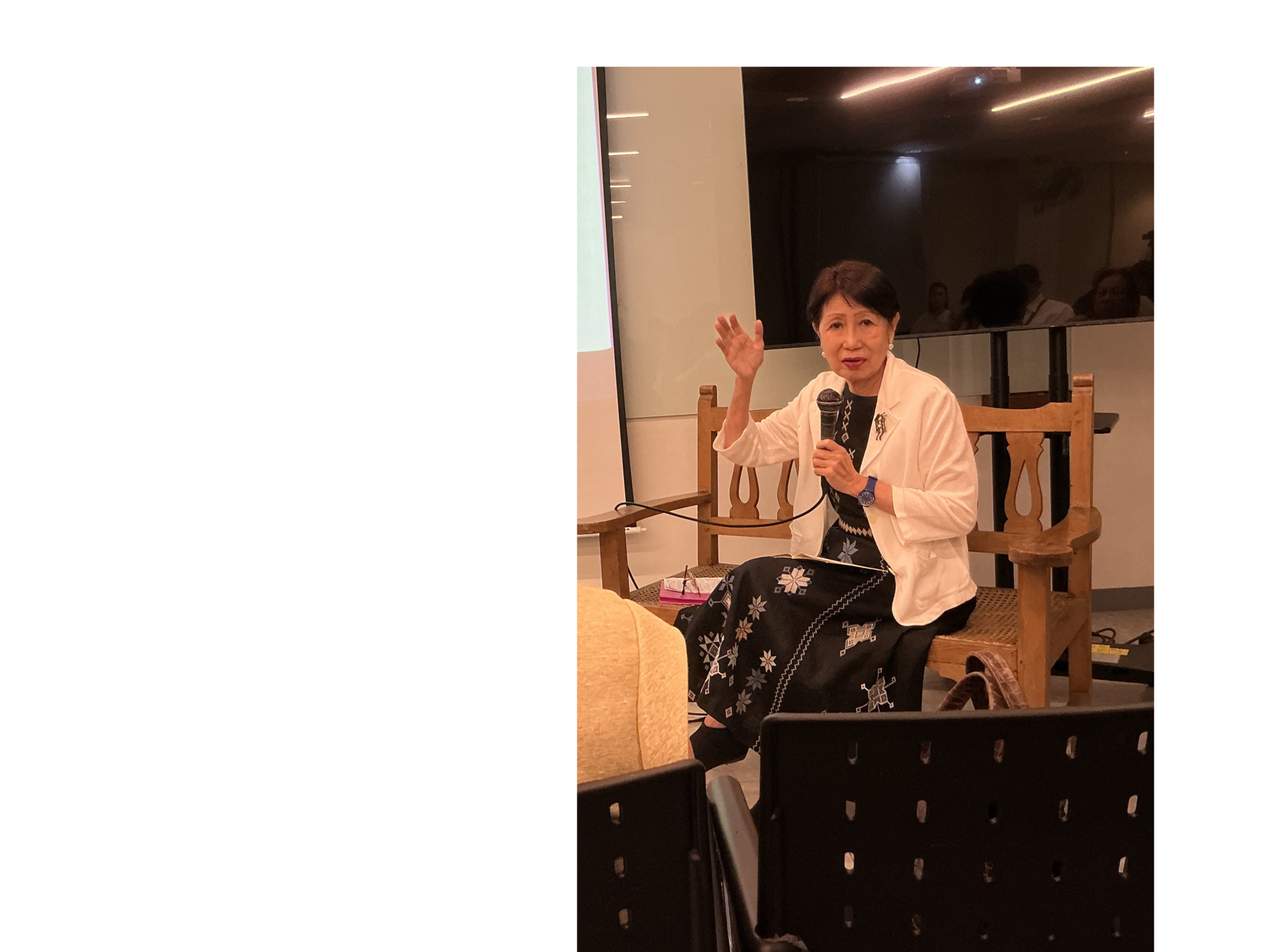
In a recent talk titled What Recipes Don’t Tell: Women in Our Culinary History, renowned food historian Felice Prudente Sta. Maria recounts the lives of three extraordinary women who made their indelible mark in our food history, centering the kitchen as a place of empowerment: Juliana Gorricho vda. de Pardo de Tavera, Maria Y. Orosa, and Pura Villanueva Kalaw.
Juliana Gorricho vda. de Pardo de Tavera (1842 -1892): At 21 years old, she became a widow with three children, Trinidad Herminigildo, Felix, and Paz (who married painter Juan Luna). In 1892, Luna fatally shot his wife and Juliana.
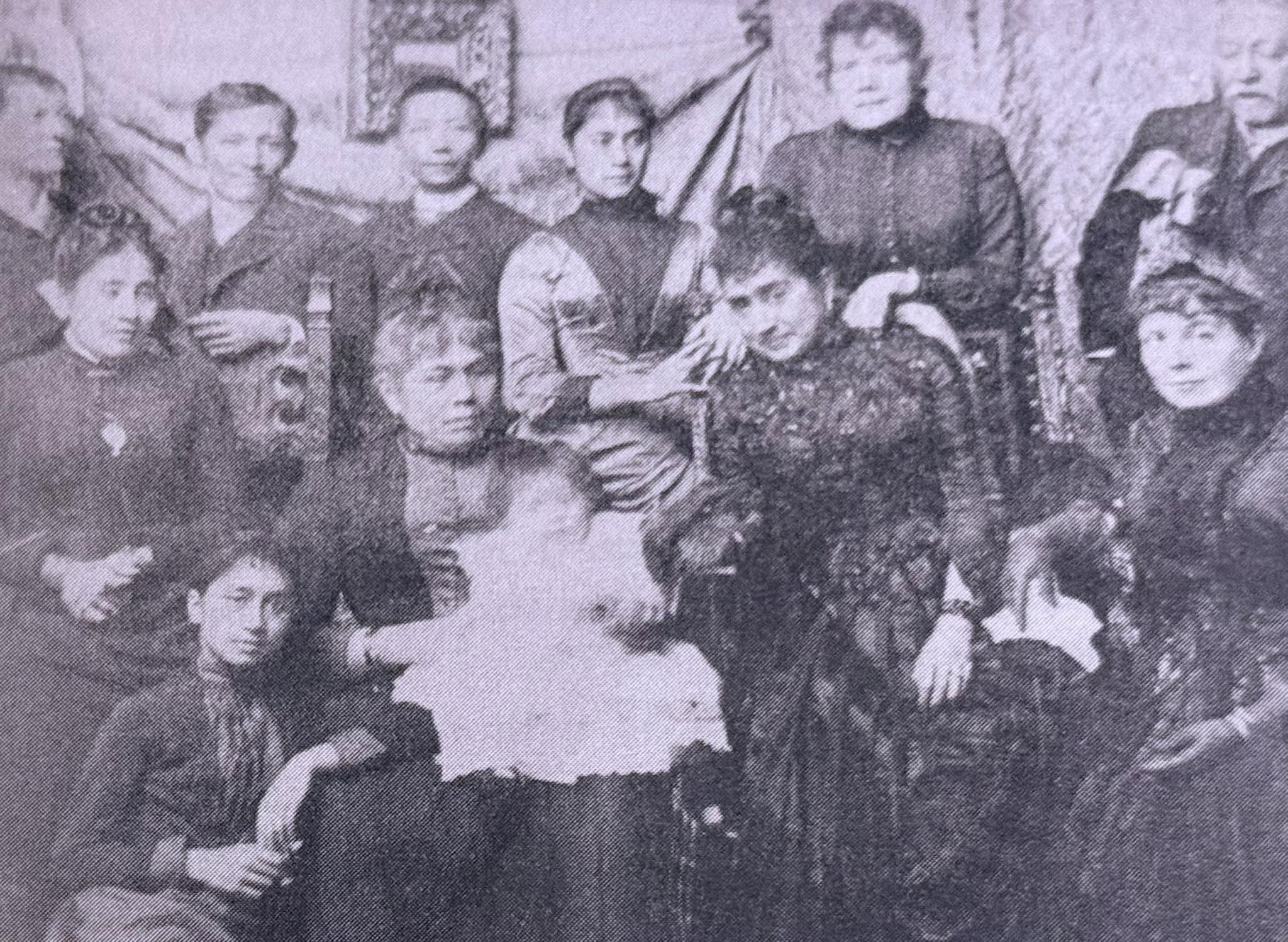
courtesy of FP Sta. Maria, FB.
Four notebooks filled with Gorricho’s recipes are “probably the sole extant collection of handwritten recipes by a Filipino during the 19th century,” states Sta. Maria in her book, When Mangoes and Olives Met at the Philippine Table, 2025.
As the first known collection of Filipino diaspora recipes, the original notebooks are with Ateneo’s Rizal Library.
Cooking in Paris: Gorricho and children moved to Paris in 1877, as part of the extended Pardo de Tavera family’s political exile.
Gorricho’s recreation of all-Filipino cooking in Paris connected them to the homeland, strengthened their Filipino identity in exile, and anchored their hope that one day, they will return to the native land. Her house became a meeting place of indios bravos, Filipino intellectuals of the time.
Some 190 handwritten recipes translated in English included Gorricho’s own recipes, and those from friends and relatives, dated 1880 to 1891.
Multiple recipes exist for meat, fish and seafood, sauces, pickles, and dessert (bucayo, bebinca, gulaman, dulce de guayaba, leche flan, and pinipig with coconut milk) and favorites like adobo, sinigang, and pancit.
For sinigang, Gorricho used tomato and oseille (sorrel) for souring. She also made her own patis from brined shrimp and Cavite bagoong using fermented small fish and fish roe.
Her last entry in October1891 served albóndigas or meatballs to 10 persons including Jose Rizal and company. She recorded not only the meals prepared but also the people (family, friends, and guests) who shared them.
Juliana Gorricho’s father was a wealthy Spanish landowner in Manila and Cavite; her mother, Ciriaca de los Santos of Imus, Cavite, sold zacate or hay to the Spanish cavalry in Intramuros. Ciriaca bought land across the Pasig River to grow hay; it became Escolta, Manila’s premier business district then.
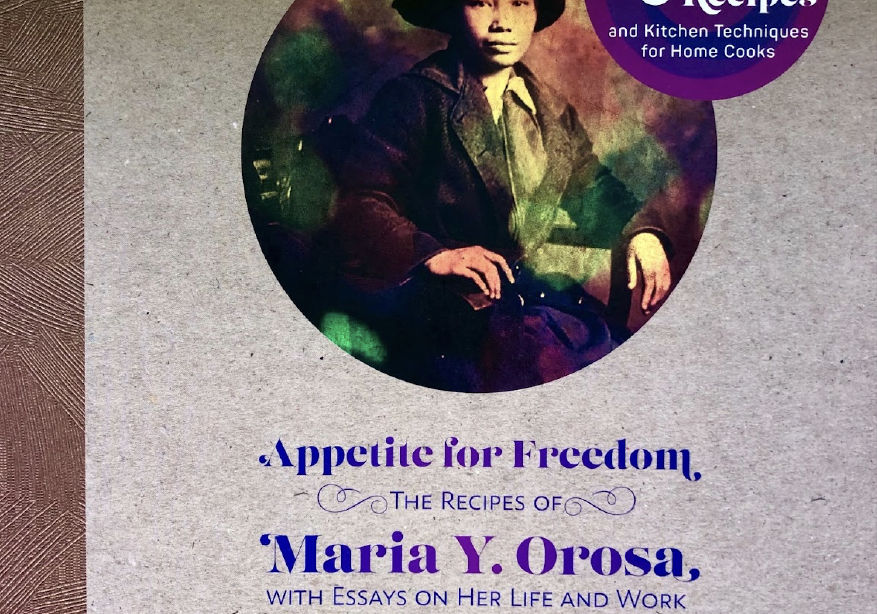
Maria Y. Orosa (1892-1945): In February 1925, Manilans celebrated the 18th Manila Carnival. A crowd drawer, rows of canned Philippine fruits and vegetables, including canned whole mangoes filled the Bureau of Science booth.
It was the first time that Filipinos saw their own fruits and vegetables in cans, and not imported ones. It was the brainchild of food scientist, Maria Ylagan Orosa, a chemist at the Bureau of Science who pioneered the canning and preservation of native fruits and vegetables.
She went to the University of Washington in Seattle in 1916, where she earned her bachelor and masteral degrees in food chemistry and pharmaceutical chemistry.
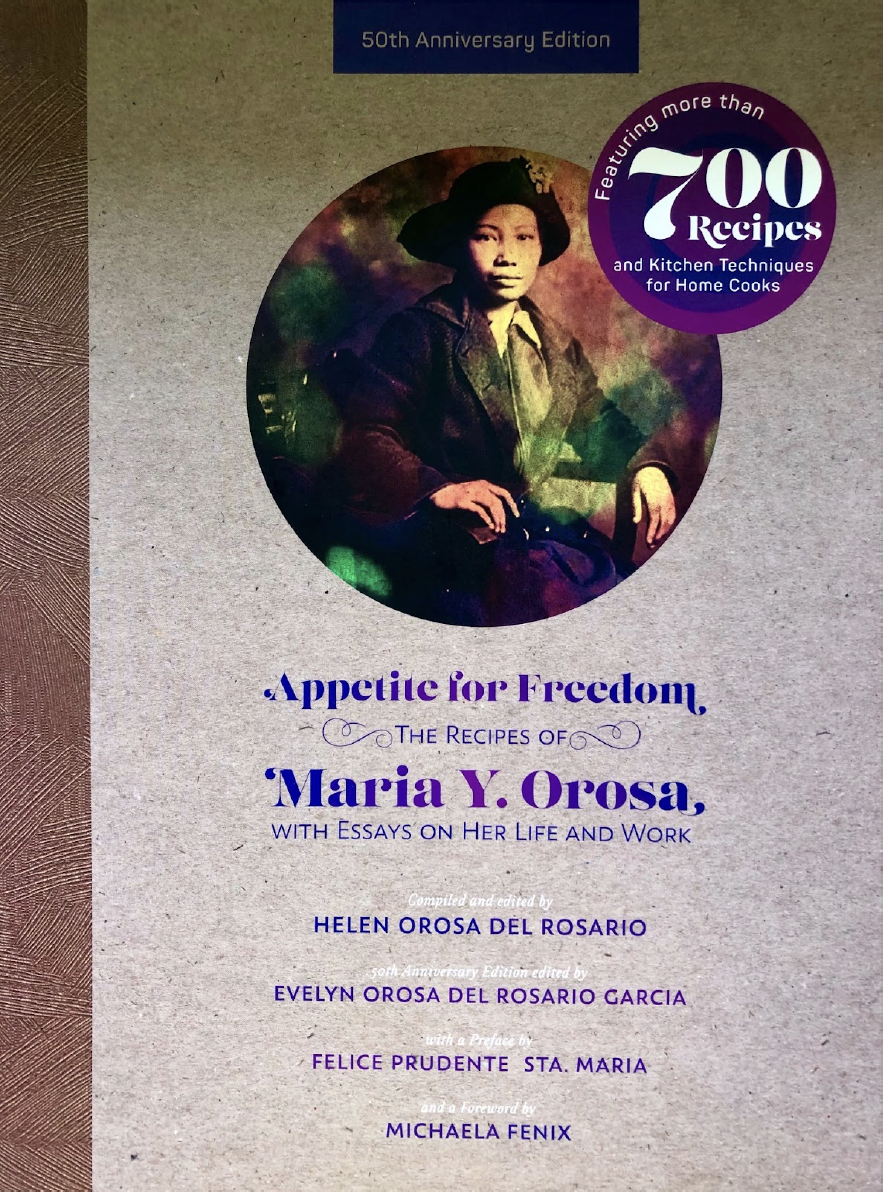
Returning in 1922, Orosa joined the Bureau of Science and experimented with food preservation techniques such as canning, dehydrating, fermenting, and freezing local produce. She was the first to freeze and can mangoes, making it a well-known Philippine export product.
In 1929, she organized the Home Extension Movement, educating rural women in food preparation and planning, gardening, poultry raising, and handicraft.
Orosa had written over 700 recipes; she promoted the use of indigenous food sources and expanded the uses for coconut, cassava, soybean, peanut, green bananas, rice bran (tiki-tiki), calamansi, seaweed, and roselle. Using Philippine plants, she made jams, jellies, pickles, vinegar, and fruit wines.
Today, the world enjoys banana ketchup, Orosa’s invention of a Filipino condiment made from saba bananas, vinegar, and spices.
As part of the anti-Japanese resistance movement, she organized a system for smuggling food and soy powder into the UST prison camp, saving hundreds of Filipino and American war prisoners.
She was killed during the Battle of Manila,1945.
Pura Villanueva Kalaw (1886-1954): Born in Arevalo, Iloilo, she was the first Queen of the Orient in Manila Carnival 1908, the precursor of Miss Philippines. In 1906, she founded Association Feminista Ilongga, the first women organization in the Visayas; it supported women’s suffrage. Filipino women won their right to vote in a 1937 plebiscite, after 30 years.
A modern cookbook: In 1918, Kalaw published Condimentos Indigenas (Native Recipes) in Spanish, written step-by-step and with standard measurements, with 154 recipes collected from family and friends, and through her vast women network.
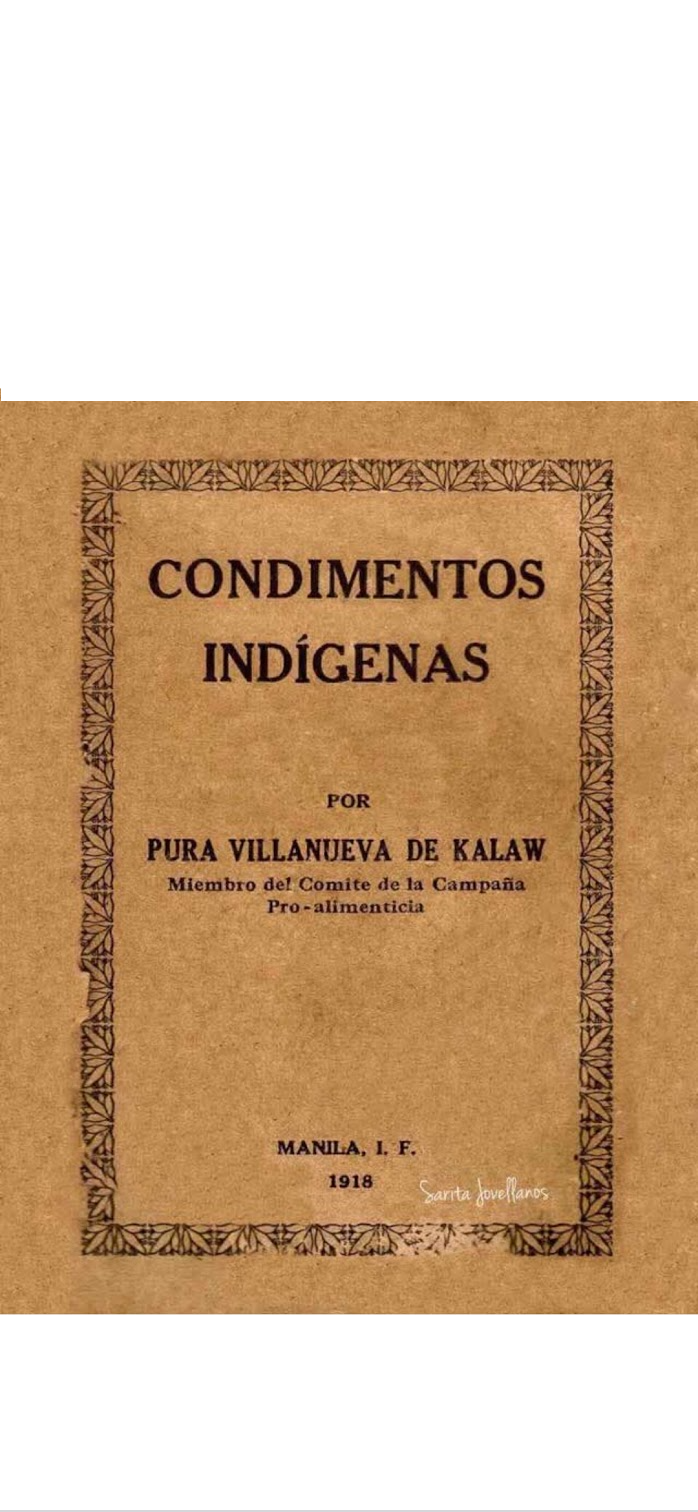
A pioneering effort, Condimentos included provincial recipes for the first time: Manila, Batangas, Cebu, Ilocos, Iloilo, Sorsogon, Mindanao, and Sulu, underscoring the idea that regional culinary practices strenthens national identity.
It includes a Tausug heritage dish, Pialang/Piyalam made with fish cooked in coconut milk. From Iloilo, two recipes for kaguios/ kadyos. The first, kadyos with unripe jackfruit and dried fish, flavored with bagoong; the other, kadyos with banana heart, tomato, garlic, salt, and chicken. Four recipes from Sorsogon used taro or gabi, such as Pinangat Daragueño.
Translated in Tagalog, Bicolano, Ilocano, Visayan, and Cebuano, it served as a historical record of early 20th century recipes and local cooking practices. It also served as a call for building the nation and one’s identity as a Filipino.
Condimentos starts with a Decalogue for Women about cooking, family, and nation: “Honor native recipes above all other recipes …products of our native soil, fresh and free from harmful preservatives.”