The prosecution at the International Criminal Court has opposed the request of former president Rodrigo Duterte’s lawyers to require expert reports for all digital evidence, arguing that the blanket requirement is unnecessary, inefficient and could delay his trial.
“It is unreasonable, unnecessary and against the interests of judicial efficiency, to require an expert report to accompany all forms of open source and user-generated evidence,” acting Prosecutor Mame Mandiaye Niang said in a six-page filing dated Sept. 9.
Duterte’s defense team earlier asked the ICC to have all open-source and user-generated evidence be accompanied by expert reports to verify its credibility and prevent the court from “being overwhelmed by material of dubious relevance, authenticity and reliability.”
Niang, however, said expert verification should be required only when warranted by the nature of the evidence.
Some digital materials may need expert examination to determine whether they had been edited or whether artificial intelligence tools were used to filter them, he said.
But such verification would not be necessary for material from reputable and authoritative sources.
“For example, reports from organisations such as the United Nations, government websites, NGOs such as Human Rights Watch, and reputable news publications should not require expert evidence in order to be submitted,” Niang said.
The prosecution also pointed out that the ICC had previously admitted similar open-source evidence without requiring an accompanying expert reports.
“The defense’s attempt to impose the burden of expert evidence which may be necessary for some categories of material (e.g. anonymous user-generated evidence posted on a social media platform), but certainly not others (e.g. material from an official government website), should be rejected,” it said.
It added that the party presenting the evidence should determine whether an expert report was necessary to establish its “relevance and probative value and assess its potential prejudicial effect.”
Risk of trial delay
The prosecution also pushed back against what it described as the defense’s broader complaints over submissions focused on complaints over the disclosure of evidence.
It warned that imposing additional requirements on every piece of digital evidence could create unnecessary burdens and undermine judicial efficiency.
“The court must be proportionate in its response to these concerns and not create significant burdens that unnecessarily hamper judicial efficiency and ultimately, risk delaying the start of the trial,” Niang said.
More than 25,000 items of evidence had been disclosed by the prosecution as of Sept. 3, with additional materials expected to be submitted before the trial begins.
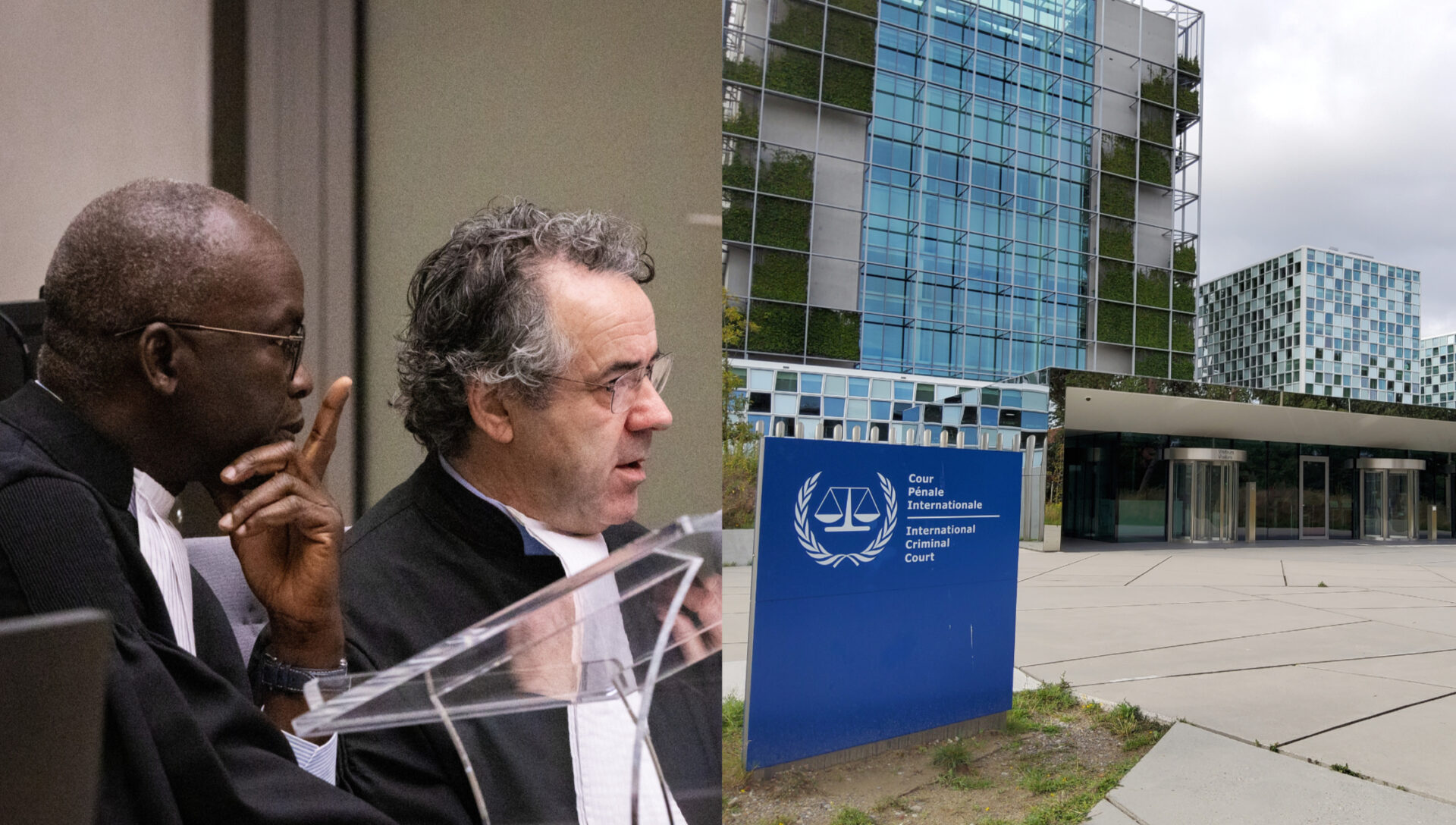
Trial Chamber III, which is handling Duterte’s case, has yet to rule on the competing requests of the prosecution and defense concerning the protocol for digital evidence.
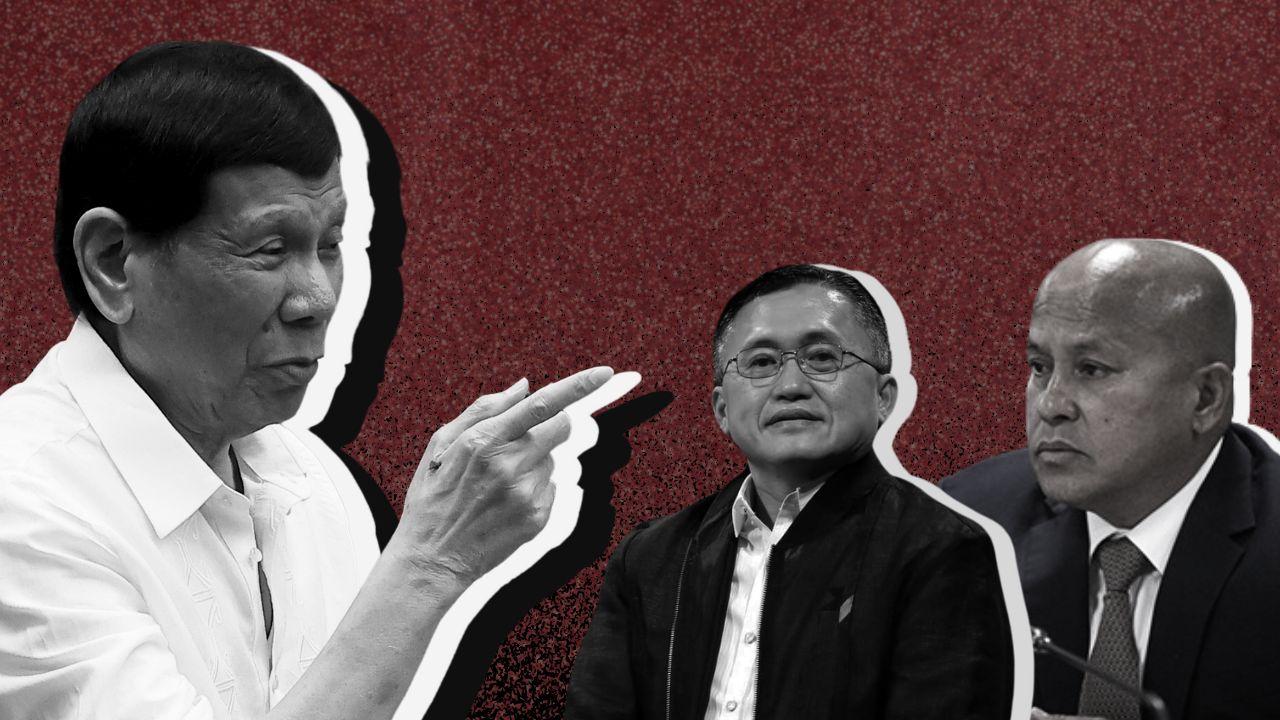
Duterte is charged as an indirect co-perpetrator of crimes against humanity of murder over thousands of killings allegedly committed during his drug war campaign from Nov. 1, 2011 to March 16, 2019.
His trial is scheduled to begin on Nov. 30.