The defense of former president Rodrigo Duterte before the International Criminal Court has opposed the prosecution’s requests for protective measures for its witnesses, arguing that the proposed restrictions would violate his right to a public trial.
In an 11-page submission dated Nov. 23, the defense asked Trial Chamber III to reject the prosecution’s request for 55 witnesses to testify anonymously by face or voice distortion. It also opposed what it described as a “sweeping use” of closed sessions for 22 prosecution witnesses.
“A blanket measure that would preclude the public from hearing any of that evidence is
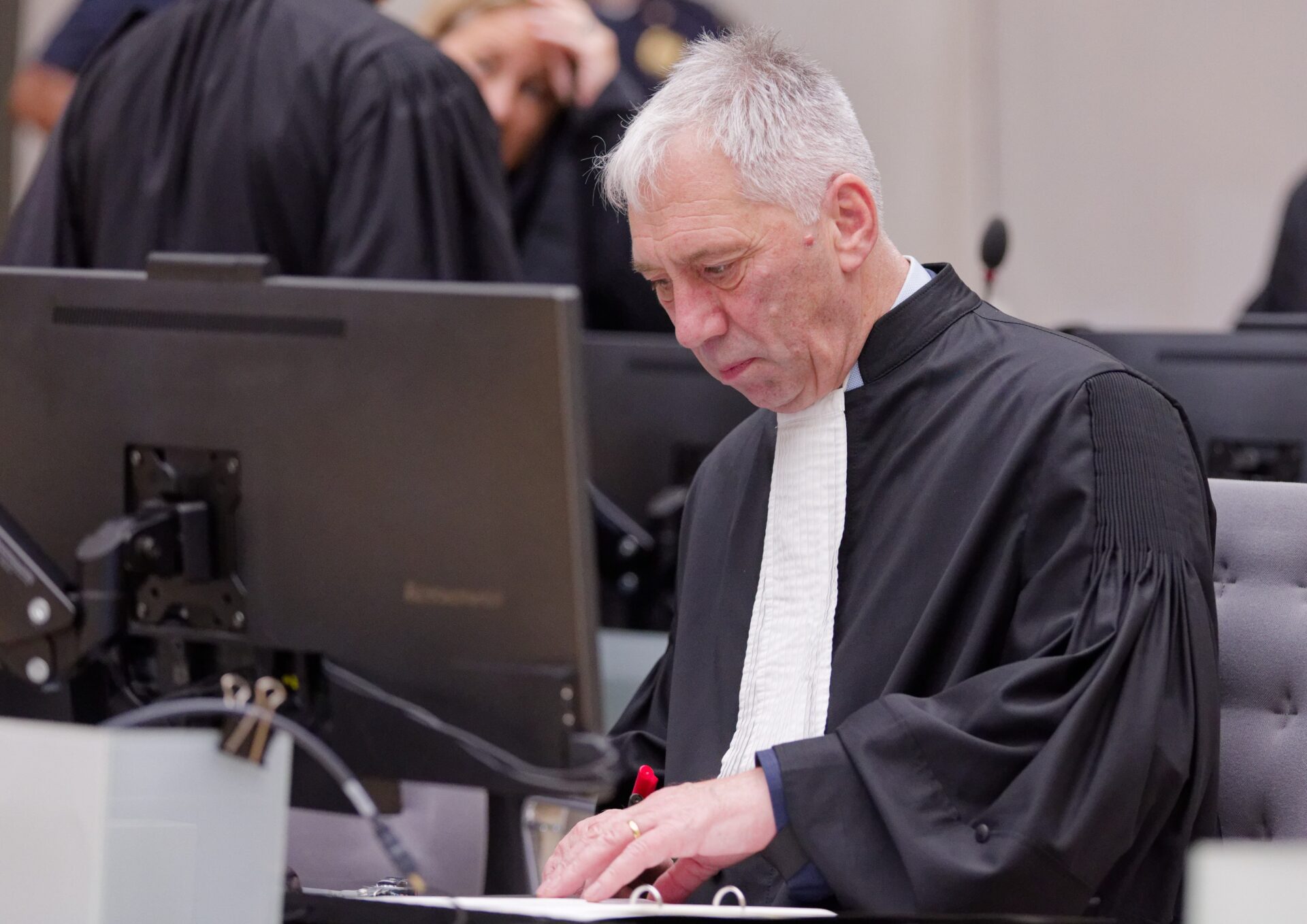
disproportionate to the rights of Mr. Duterte,” said the document signed by lead defense counsel Peter Haynes.
The defense argued that the prosecution had failed to establish that all witnesses faced similar justifiable risks warranting the proposed protective measures.
“For the majority of them, the prosecution makes only generalised submissions that do not justify the extreme measures sought,” it said.
It maintained that a witness’s high public profile, increased media exposure, membership in the national police or government, residence in the Philippines or in an area where Duterte has supporters, or familiarity with the former president did not by themselves justify such restrictions.
The defense also opposed the prosecution’s request to anonymize in-court evidence concerning 46 incidents covered by the charges against Duterte.
“Anonymizing evidence so extensive yet so determinative of the case is incompatible with the principles of publicity and transparency in this trial,” it said.
As an alternative, the defense proposed less restrictive measures to address potential risks, including the use of private sessions on a case-by-case basis.
Defense challenges P-0002 testimony
In a separate application, Duterte’s lawyers asked Trial Chamber III to reject the written statements and related materials of a witness identified as P-0002, an alleged former member of the Davao Death Squad.
The defense argued that the prosecution’s application had failed to submit documentary evidence establishing that witness P-0002 was no longer available to testify in person at the trial.
“Admitting his prior recorded testimony, and hundreds of pages of related material concerning, inter alia, Mr Duterte’s acts and conduct is prejudicial to the accused,”it said.
Describing P-0002 as a key witness, the defense claimed that his testimony showed he “was deeply hostile towards Duterte” and “paints a picture of an individual who is emotionally unstable.”
It also questioned the reliability of P-0002’s account, citing internal inconsistencies and contradictions with the only other testimony concerning one of the incidents covered by the charges.
“His evidence fails to meet the requirements of reliability and probative value for admission. Therefore, there are compelling reasons to reject the request,” the defense said.
Alternatively, it asked the chamber to exclude all the 16 materials associated with P-0002.
Duterte faces crimes against humanity charges before the ICC over his administration’s war on drugs. He is the first former Asian head of state to face trial before the international tribunal, with proceedings scheduled to begin on Nov. 30.