Up to 70 witnesses are expected to testify against former president Rodrigo Duterte during his trial before the International Criminal Court, which is set to begin on Nov. 30.
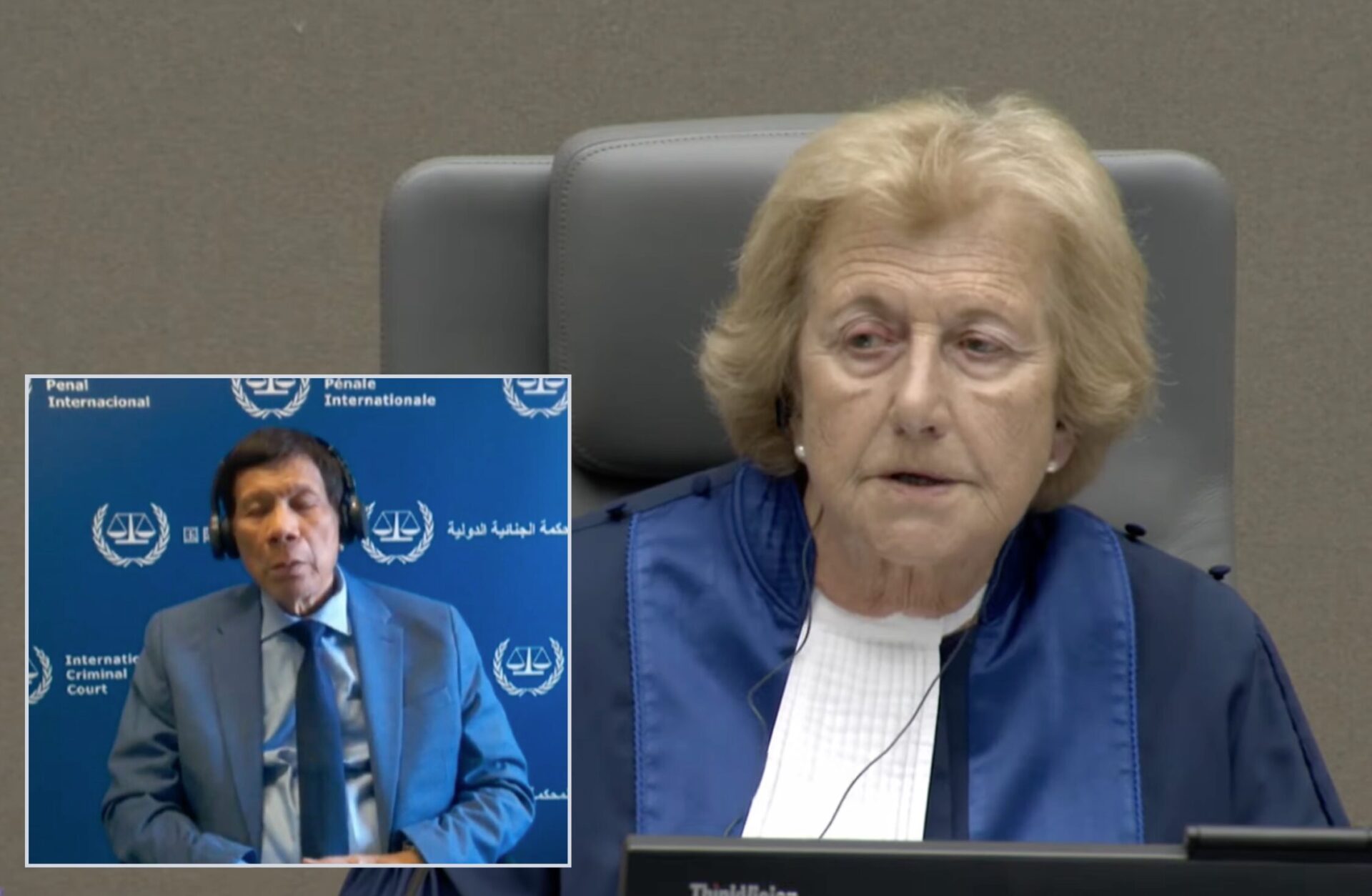
Judges of the tribunal’s Trial Chamber III on Wednesday opened the first status conference in the crimes against humanity case against Duterte, setting key trial procedures and hearing plans from both the prosecution and defense.
ICC prosecutor and senior trial lawyer Julian Nicholls disclosed that they intend to present 60 to 70 witnesses against Duterte, including around 31 insider witnesses who allegedly have direct knowledge of how the crimes were planned and carried out.
In an earlier filing, prosecutors said their witness lineup includes 17 crime-based witnesses and 12 witnesses who will testify on the broader background and contextual elements of the charges.
Insider witnesses are individuals directly linked to the accused who cooperated with authorities, often in exchange for immunity or leniency, and who possess firsthand knowledge of how the alleged crimes were planned and carried out.
Around 25 to 30 witnesses are expected to testify orally before the court, while the rest may be presented through previously recorded testimony and documentary evidence under Rule 68 of the ICC Rules of Procedure and Evidence.
The prosecution also informed the chamber that it plans to introduce a limited number of additional incidents during the trial.
During the third session of the status conference, the Trial Chamber III, presided over by Judge Joanna Korner, adopted the prosecution’s proposed opening date of Nov. 30 for the start of trial.
“The trial will run on a daily basis until the judicial recess or thereabouts,” Korner said during the hearing.
The chamber, however, ordered a fresh medical assessment of Duterte’s fitness to stand trial before finalizing the court’s sitting schedule.
Three medical experts who previously found Duterte fit to stand trial during the confirmation of charges phase were directed to conduct another evaluation of his condition.
Korner said the chamber intends to hold proceedings five days a week, although adjustments may be made depending on Duterte’s health and participation.
“If we have to have a day for the accused not to be in court each week, that doesn’t necessarily mean it won’t be a sitting day because we can use that day to deal with any administrative matters or any legal arguments that are due to take place, subject, of course, to the accused waiving his right to be present,” she said.
Duterte did not attend Wednesday’s status conference and was represented by his newly appointed legal counsel, Peter Haynes, and assistant counsel Kate Gibson.
Haynes raised concerns about the volume of evidence disclosed by prosecutors and the amount of time needed by the defense to review materials ahead of trial.
The defense also sought assurances regarding Duterte’s medical treatment and detention conditions while under ICC custody in The Hague.
The status conference marked the first formal proceeding before Trial Chamber III since ICC Pre-Trial Chamber I confirmed three counts of murder as crimes against humanity against Duterte on April 23.
The charges stem from thousands of killings associated with Duterte’s anti-drug campaign during his tenure as Davao City mayor and later as president.
Prosecutors allege that Duterte was responsible for a widespread and systematic attack against civilians carried out through police operations and vigilante-style killings during the height of the drug war.
Duterte has repeatedly denied responsibility for unlawful killings and questioned the ICC’s jurisdiction over the Philippines, which withdrew from the Rome Statute in 2019. (with inputs from Aira Delfin)